How Bed Bugs Spread - and How to Stop Them Before They Take Over
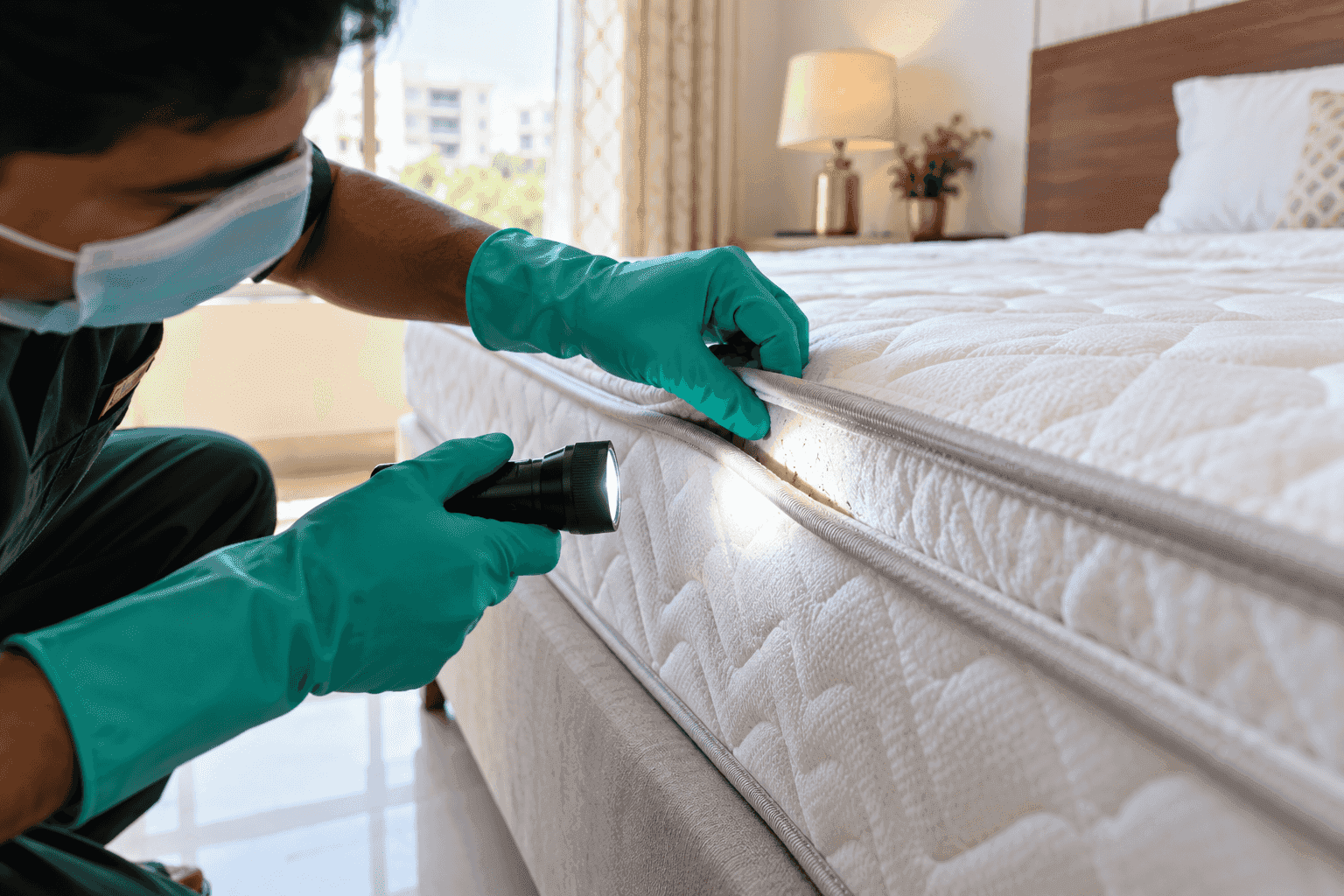
Waking up with itchy red bites is the moment most people first suspect bed bugs. By then, the problem has usually been growing for weeks. Bed bugs are small, nocturnal and very good at hiding, which is why understanding how they spread is the best way to stop them.
One thing worth knowing straight away: bed bugs have nothing to do with how clean your home is. They travel with people, and a spotless flat can get them just as easily as a crowded one.
How bed bugs get into your home
- Luggage and bags - after a hotel stay, a train journey or a trip to relatives, bed bugs can ride home in suitcases and rucksacks.
- Second-hand furniture and mattresses - a bargain sofa or bed frame can arrive with eggs already hidden in the seams.
- Shared walls - in apartments, bed bugs can move between flats through cracks, pipe gaps and electrical conduits.
- Guests and shared spaces - PGs, hostels, hotels and guest houses see constant turnover, so a single infested room can seed many others.
- Laundry and clothing - bags of clothes carried between homes, hostels or laundries can carry live bugs.
Early signs to look for
- Red, itchy bites in a line or a cluster, usually found on waking
- Blood stains or small black spots on sheets and pillowcases
- Tiny white eggs or shed skins in mattress seams, bed frames and corners
- A musty, sweet smell in heavier infestations
- Brown, apple-seed-sized insects, especially along mattress piping and behind headboards
Check the seams of the mattress, the joints of the bed frame, behind the headboard and around nearby sockets. Bed bugs hide in cracks in walls and furniture and even inside electrical outlets.
Why they multiply so quickly
A single female bed bug can lay hundreds of eggs in her lifetime. That is how one hitchhiker from a hotel stay becomes a full infestation within weeks. Left alone, bed bugs do not go away by themselves - they spread to other rooms and to neighbours.
Why store-bought sprays rarely solve it
Bed bugs live in the cracks, seams and voids that a spray from a bottle simply does not reach. Surface spraying can also scatter them into neighbouring rooms, making the problem harder to contain. A reliable treatment has to find where they are hiding first.
What proper bed bug treatment involves
- Inspection and assessment - a technician checks mattresses, furniture, bedding and crevices to find the infested areas and judge how serious it is.
- Preparation - washing linen at high temperatures, vacuuming and clearing clutter so the treatment can reach every hiding place.
- Targeted treatment - residual sprays for cracks and crevices, heat treatment that kills eggs, nymphs and adults, spot treatment of beds and headboards, and steam or vacuuming for sensitive areas.
- Follow-up - a second visit or inspection to confirm the infestation is gone and to advise on prevention.
How to prevent a bed bug problem
- Inspect hotel rooms before you unpack - check the mattress seams and headboard first.
- Keep luggage off the bed and, when you get home, wash travel clothes on a hot cycle.
- Inspect any second-hand furniture before bringing it indoors.
- Use bed-bug-proof mattress covers.
- Vacuum regularly and keep clutter down around the bed.
Who should be especially careful
Hotels, guest houses, PGs and hostels, hospitals and clinics, and any home with frequent visitors face the highest risk because of constant turnover. For these properties, a scheduled inspection plan is far cheaper than dealing with a complaint or a bad review.
If you are seeing bites, stains or live bugs, book an inspection early. SSD offers discreet bed bug treatment with odourless, child- and pet-safe products and a follow-up visit to make sure it has worked.
Get a free pest inspection
Tell us where the problem is and our team will call you back to confirm.
Need help with this?