Wood Borer Pest Control Services
Wood borers may be small, but their damage is extensive and costly: They hollow out wooden structures, weakening their integrity They cause fine powdery dust (frass) to appear near tiny exit holes Over time, they can ruin expensive wooden furniture and décor They multiply quickly if left untreated
- Odourless, child & pet safe
- 24×7 · 31 branches
- 100% satisfaction guarantee
Wood borers may be small, but their damage is extensive and costly:
They hollow out wooden structures, weakening their integrity
They cause fine powdery dust (frass) to appear near tiny exit holes
Over time, they can ruin expensive wooden furniture and décor
They multiply quickly if left untreated
Often go unnoticed until significant damage is done
Common Signs of a Wood Borer Infestation
Tiny, round exit holes in wood surfaces
Fine wood powder (frass) around holes or beneath wooden items
Crumbling or hollow-sounding wood
Tunnels visible under the surface
Presence of adult beetles near windows or lights
If you notice any of these signs, immediate professional intervention is crucial.
Our 3-Step Wood Borer Treatment Plan
At SSD Pest Control Services Pvt. Ltd., we use proven, non-invasive and long-lasting solutions to tackle wood borers:
- 1Inspection & Damage Assessment
Our experts thoroughly inspect all wooden assets using specialized tools to locate active infestations and assess internal damage.
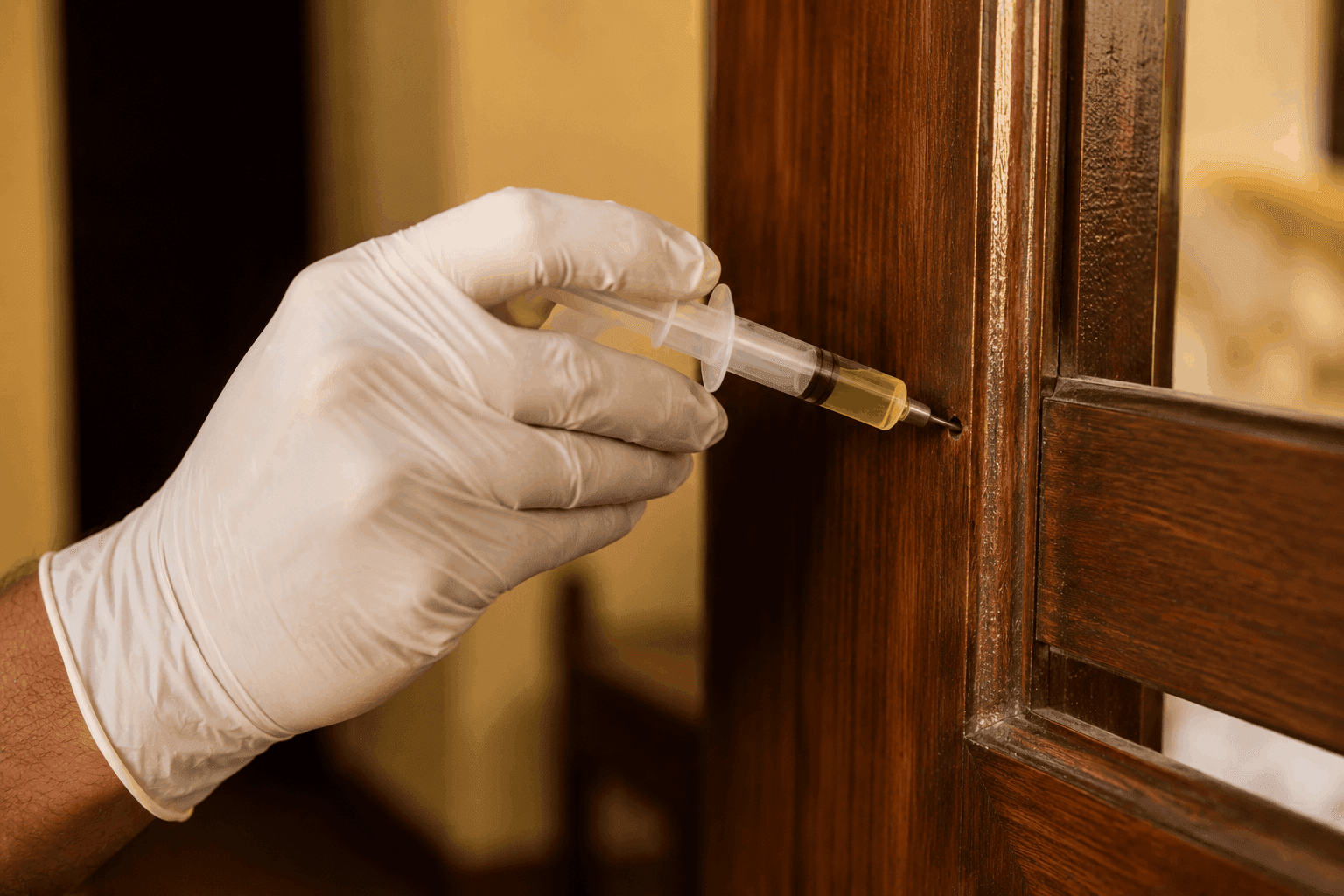
- 2Targeted Injection Treatment
We inject wood preservative chemicals into all identified holes and cracks. These chemicals penetrate deep into the wood and kill larvae hidden inside.
- 3Surface Spray Application
We apply a borer-control chemical spray on all vulnerable surfaces to prevent reinfestation and protect untreated areas.
Our wood borer pest control process is odorless, safe for occupants, and offers long-term protection.
Why Choose SSD Pest Control Services Pvt. Ltd.?
- 30+ Years of Field Experience
- Technically Skilled, Certified Professionals
- Advanced Injection & Spraying Equipment
- Non-staining, Eco-Safe Chemicals
- Quick Turnaround Time – Minimal Disruption
- Annual Maintenance Contracts Available
- Customer Satisfaction & Warranty-Backed Service
Suitable for All Types of Properties
Residential Homes and Flats
Furniture Showrooms and Manufacturing Units
Warehouses and Storage Facilities
Office Interiors and Commercial Buildings
Heritage Sites and Wooden Temples
Schools, Colleges & Libraries
Safeguard Your Wooden Investments Today
Wood borer damage is often irreversible. Early detection and expert treatment from SSD Pest Control Services Pvt. Ltd. can save you from costly repairs or replacements.
- Call us today to schedule an inspection and get a customized Wood Borer Pest Control Service plan tailored to your needs.
Understanding the Wood-Boring Beetle Life Cycle
Wood borers are not a single insect but a group of beetles - powderpost beetles and longhorn beetles are the most common culprits in Indian homes and furniture, alongside other wood-boring species - whose larvae, not the adults, cause almost all the structural damage. A female beetle lays her eggs in cracks, joints, or old exit holes on unfinished or lightly finished wood. Once hatched, the larvae tunnel inward and feed on the wood's starches and cellulose for anywhere from several months to a few years, depending on species, wood moisture content, and ambient temperature, before pupating and emerging as adults through the small round or oval holes that are usually the first visible sign of trouble.
This life cycle is precisely what makes wood borer infestations so easy to miss and so damaging by the time they are noticed. The larval feeding stage happens entirely inside the timber, out of sight, so a piece of furniture or a wooden beam can be actively hollowed out for a year or more while the surface looks completely normal. By the time adult beetles emerge and exit holes appear, a significant network of internal galleries may already exist, which is why early inspection matters more with wood borers than with pests whose activity is visible on the surface from the start.
Different species also have different preferences - some favour sapwood over heartwood, some are drawn to higher-moisture timber typical of monsoon-affected structures, and others attack bone-dry, seasoned wood in older furniture and roof timbers alike. Recognising which pattern applies to a given property is part of why a proper inspection, rather than a generic assumption, is the right starting point for treatment.
Structural and Financial Risks of Untreated Infestations
The damage wood borers cause is cumulative and largely invisible until it is advanced, which is what separates this pest from most others in terms of risk. A termite trail or a cockroach sighting prompts quick action because it is visually alarming; a few small pinholes in a wardrobe leg or a door frame rarely do, even though those holes indicate an active tunnel network beneath the surface. Left untreated, larvae continue feeding generation after generation, progressively weakening the wood's internal structure while the exterior remains largely intact - a phenomenon pest professionals often describe as the wood being reduced to a shell.
In furniture, this means pieces that look sound can fail suddenly under normal use - a chair leg giving way, a cabinet shelf collapsing, or a wooden panel crumbling when pressure is applied. In structural timber - roof trusses, ceiling beams, door and window frames, wooden staircases - the risk is more serious still, since these elements bear load and their gradual weakening is not something a homeowner can assess by eye. In older properties, heritage structures, and homes with exposed wooden architecture, which remain common across parts of Maharashtra and Gujarat, an infestation that has been active for years can mean the difference between a straightforward repair and a costly structural intervention.
Beyond the wood itself, an active infestation also affects resale and rental value. A fine dust (frass) collecting beneath furniture or fittings, a hollow sound when wood is tapped, or visible exit holes are the kind of red flags that surface during property inspections and can stall a sale or lease negotiation until the issue is resolved and documented.
DIY Treatments Versus Professional Wood Borer Control
Wood borer infestations are a common case where DIY intervention treats the symptom rather than the cause. Surface-level solutions - wiping down furniture with a store-bought spray, sealing visible holes with wax or putty, or applying a coat of varnish - can make a piece look better temporarily, but they do nothing to reach larvae feeding deep inside the timber, and sealing an exit hole without addressing what's tunnelling behind it simply traps the problem rather than solving it. Worse, a beetle can emerge from a nearby, unsealed hole days or weeks later, giving a false impression that the issue has been resolved.
Effective wood borer control depends on reaching the larvae inside the wood, not just the surface, which requires identifying the extent of tunnelling, choosing an appropriate treatment method for the wood type and item involved, and applying it with the right technique and dosage - judgment that generally comes from professional experience rather than a product label. Over- or under-treating can either damage delicate or antique wood finishes or leave enough of the infestation intact for it to resurface within a season.
This is also an area where safety matters: many effective wood preservation and borer-control treatments are chemical formulations that need to be handled and applied correctly, particularly around children, pets, and household items. Professional treatment removes the guesswork on concentration, application method, and re-entry safety, while also documenting what was treated and how - useful both for future reference and, in the case of valuable or antique furniture, for insurance or provenance records.
Caring for Wood After Treatment
Wood borer treatment is not a single event that ends the moment application is complete - what happens in the weeks and months afterward has a real bearing on how long the protection lasts. Treated wood surfaces should generally be left undisturbed for the period recommended at the time of treatment, avoiding fresh painting, varnishing, or polishing too soon, since sealing the surface prematurely can trap treatment residue in ways that reduce its effectiveness against any larvae still completing their cycle beneath the surface.
Moisture control matters just as much after treatment as before it. Wood-boring beetles, like most wood-damaging pests, are drawn to timber with elevated moisture content, so keeping treated furniture and structural wood away from damp walls, leaking pipes, and poor ventilation - particularly during Maharashtra's monsoon months when ambient humidity rises sharply - reduces the chances of re-infestation and also protects the wood from unrelated fungal decay. Periodically checking older furniture, wooden flooring, and exposed beams for fresh frass or new exit holes helps catch any recurrence early, when it is far easier to address.
For homes and properties with a history of wood borer activity, or with significant wooden fittings, staircases, or furniture inventories, ongoing protection is usually more practical than one-off treatment. An Annual Maintenance Contract provides for periodic reinspection and preventive treatment on a scheduled basis, which suits wood borers particularly well given how long an infestation can develop unnoticed between visible signs.
Related services
All 21 services →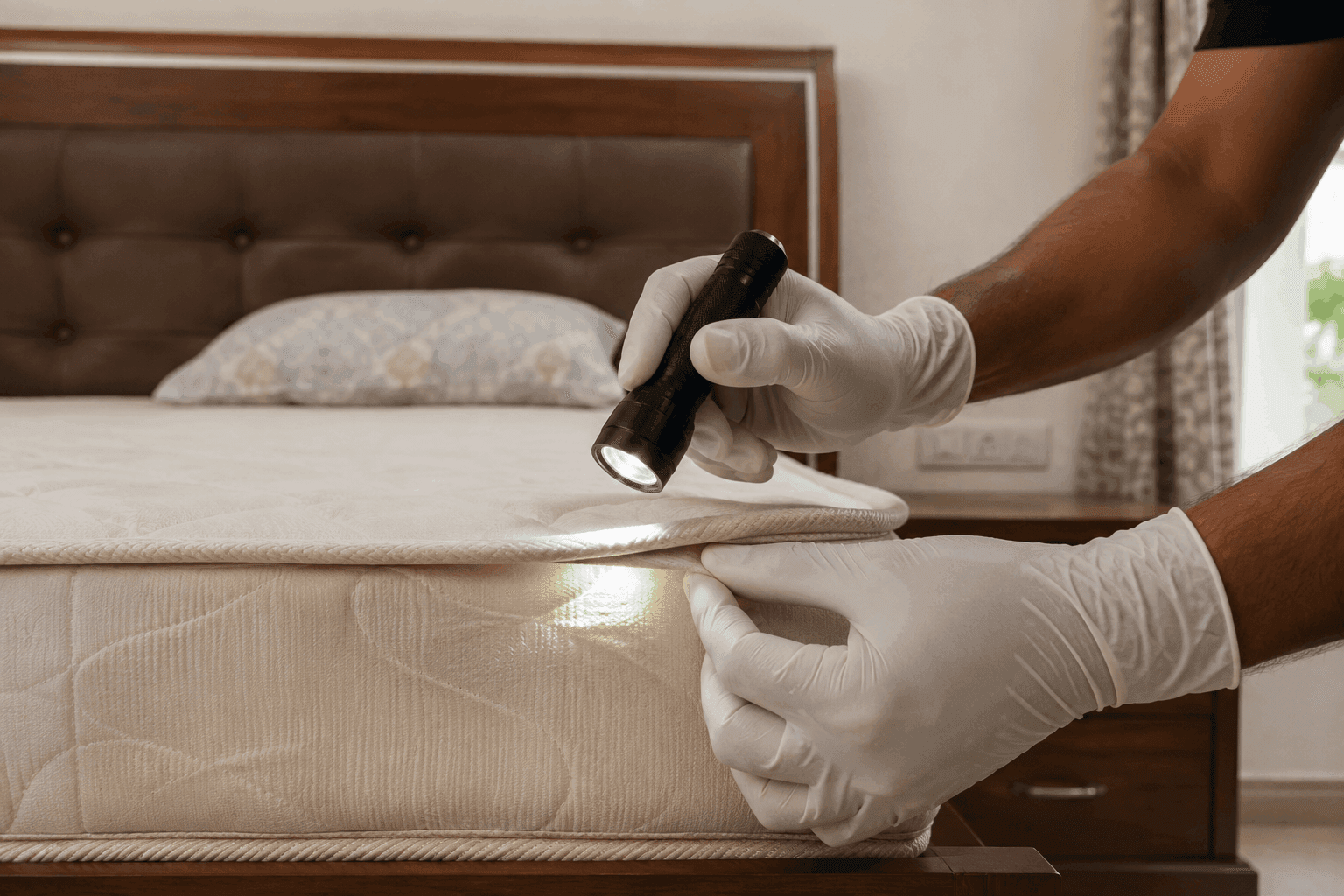 Bed Bug Control Services
Waking up with itchy red bites? Noticing blood stains or tiny insects in your bedding? You might be dealing with bed bugs-tiny pests that cause major discomfort. At SSD Pest Control Services Pvt. Ltd., we provide expert Bed Bug Control Services designed to eliminate every last bug and restore your c
Learn more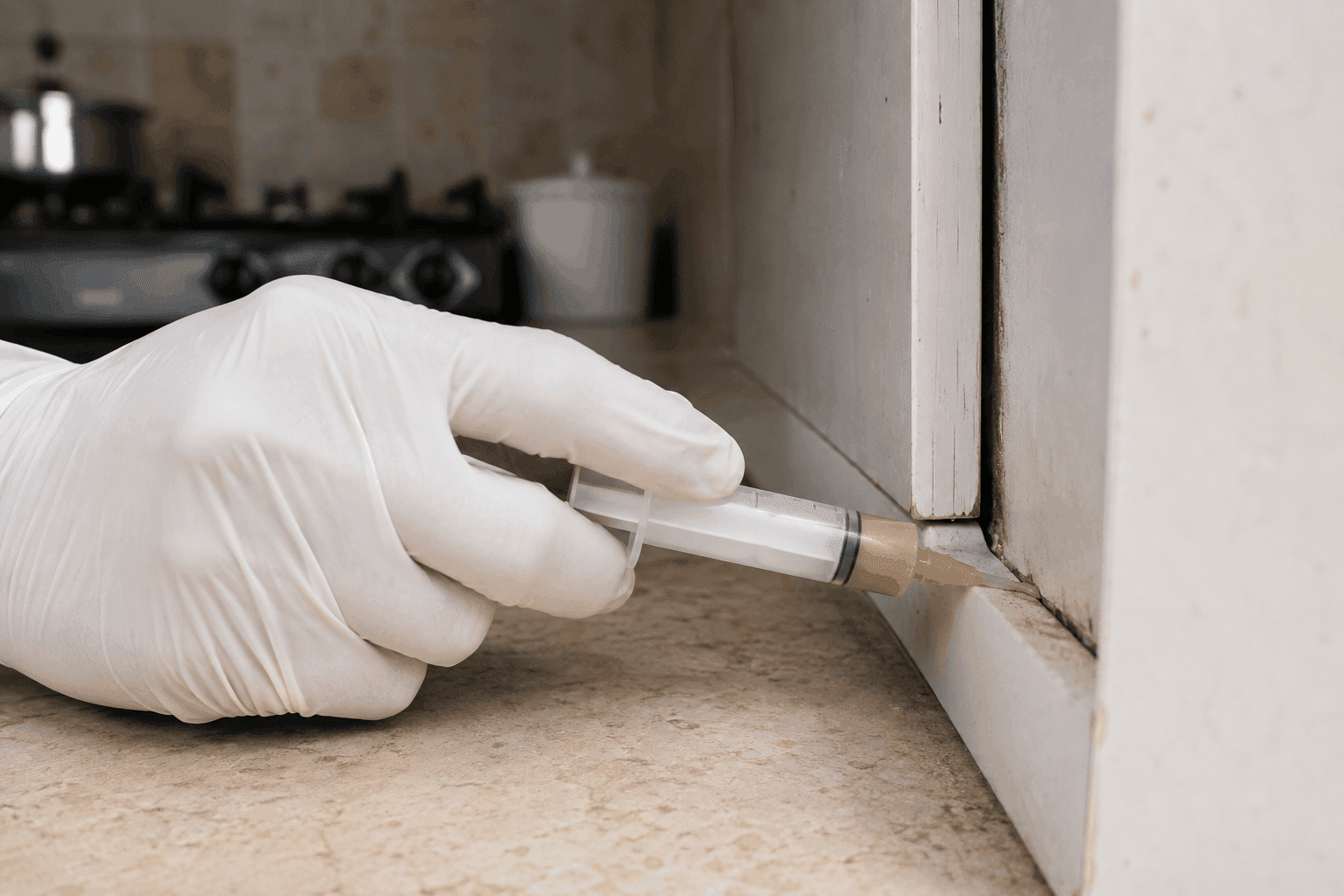 Cockroach Pest Control Services
Protect your space from disease-carrying cockroaches with Mumbai's most reliable pest control experts – SSD Pest Control Services Pvt. Ltd. We provide long-lasting, eco-friendly, and scientifically backed cockroach pest control services across Mumbai, Thane, Navi Mumbai, Nashik, Amravati, and Paratw
Learn more Fly Control Services
Flies aren't just an annoying nuisance – they're dangerous carriers of germs and diseases. At SSD Pest Control Services Pvt. Ltd., we offer specialized Fly Control Services to eliminate flies from residential, commercial, and industrial environments using safe, scientific, and highly effective techn
Learn more
Get your space pest-free
Free inspection, fixed quote, 100% satisfaction guarantee - across all 31 branches, 24×7.