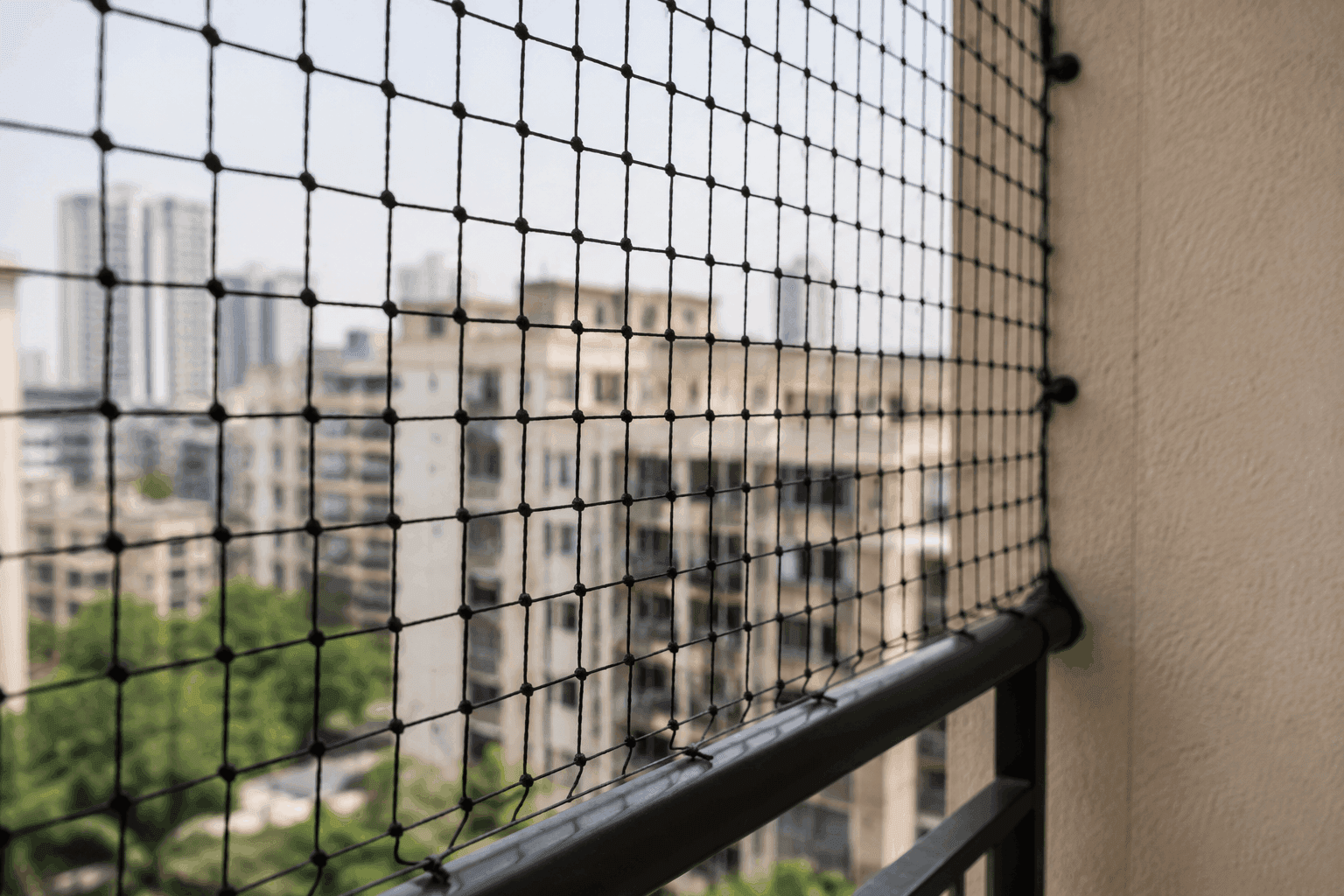
Bird Netting Services
Birds may seem harmless, but when they start nesting or perching around your property, they can cause serious hygiene, safety, and maintenance issues. At SSD Pest Control Services Pvt. Ltd., we provide premium Bird Netting Services to protect homes, offices, factories, and buildings from bird-relate
- Odourless, child & pet safe
- 24×7 · 31 branches
- 100% satisfaction guarantee
Birds may seem harmless, but when they start nesting or perching around your property, they can cause serious hygiene, safety, and maintenance issues. At SSD Pest Control Services Pvt. Ltd., we provide premium Bird Netting Services to protect homes, offices, factories, and buildings from bird-related disturbances.
Why Bird Control is Important
Pigeons and other birds often roost on ledges, AC units, balconies, warehouses, and building exteriors. Their droppings not only look unsightly but also carry diseases and damage property surfaces due to high acidity.
Hazards of Bird Infestations:
Unhygienic droppings that spread fungal infections and bacteria
Foul smell and increased cleaning costs
Blocked vents and ducts due to nesting materials
Property defacement and permanent staining
Disturbance and noise pollution
Our Bird Netting Service Includes:
Section intro heading for the five numbered service components below.
- 1Site Assessment
Our experts inspect the area to understand the nature of bird activity and customize netting solutions accordingly.
- 2High-Quality Bird Nets
We use UV-stabilized, weatherproof, and non-corrosive bird nets that are:
Transparent and discreet
Durable (5+ years lifespan)
Harmless to birds – 100% humane
- 3Expert Installation
Our trained team installs bird nets with strong anchoring, ensuring full coverage and safety without damaging building structures.
- 4Zero Harm Policy
We ensure no birds are harmed in the process - our goal is to prevent nesting and roosting, not hurt wildlife.
- 5Custom Fit for Any Area
Whether it's a small balcony or a large industrial space, we offer netting for:
Balconies
Windows
Ducts & Shafts
AC Outdoor Units
Rooftops
Warehouses
Open Building Spaces
Why Choose SSD Pest Control Services Pvt. Ltd. for Bird Netting?
- Certified, experienced team
- Eco-friendly, humane bird control
- Long-lasting, maintenance-free netting
- Quick installation without structural damage
- Tailored solutions for residential, commercial, and industrial spaces
- Affordable pricing with free consultation
Say Goodbye to Bird Nuisance – Stay Clean, Safe & Peaceful
Whether you're tired of pigeon droppings, nest-building noise, or constant cleaning, our Bird Netting Services offer a permanent solution. Secure your property today and enjoy a clean, hygienic, and bird-free space.
- Get in touch with SSD Pest Control Services Pvt. Ltd. for a free site survey and personalized bird netting quote.
Know Your Culprits: Pigeons, Crows and Mynas
Not every bird problem is the same problem. Feral pigeons are the most common offenders on Indian balconies, window ledges and AC units because they favour flat, sheltered surfaces close to food and water — and because they can breed almost continuously in a warm climate, raising several broods across a single year rather than nesting just once. That is why a pigeon issue rarely stays small: a pair that settles on a ledge in one season is often joined by their own offspring within a few months, and the droppings and nesting debris build up just as fast.
Crows and mynas bring a different set of headaches. They build bulkier nests out of twigs, wire and plastic scraps, which frequently end up clogging gutters, window AC drain lines and rooftop drains — a problem that shows up as water pooling or unexplained damp patches long before anyone spots the nest itself. Crows in particular are territorial during breeding season and will swoop at people who walk too close to a nesting spot, which is a genuine safety concern in shared terraces and building entrances.
Identifying which species is involved isn't just academic — it shapes the fix. Smaller birds like sparrows and mynas can squeeze through gaps that a pigeon never could, so the mesh size, anchor points and even the order in which openings get sealed change depending on who's actually roosting there.
Netting Versus Spikes, Gels and Scare Devices
Many buildings that eventually turn to netting have already tried something else first — anti-roosting spikes, sticky repellent gel, reflective tape, or a plastic owl on the parapet. Each of these has a real but narrow role, and each has a well-known failure mode. Spikes only protect the exact ledge they're bolted to, leaving adjoining surfaces wide open, and birds routinely build nests directly on top of them once enough debris accumulates. Gels lose their tackiness in direct sun and get washed away in the monsoon, so they need repeated reapplication. Visual and sound deterrents work only until the birds realise nothing is actually going to happen to them — pigeons and crows are adaptable birds that habituate to a stationary threat quickly, often within days.
Netting works differently because it doesn't try to make an area unpleasant — it makes the area physically inaccessible. A properly installed net excludes birds from the entire opening at once, not just the edge or ledge, so there's no partial coverage for them to work around. It also doesn't rely on the bird being deterred by discomfort or fear, which means it keeps working even on habituated flocks that have stopped responding to spikes or scare tactics.
It's also the more humane option of the group. Because it excludes rather than injures or poisons, netting avoids the welfare and cleanup problems that come with harsher control methods, while still solving the underlying access issue rather than managing it week to week.
Mesh Material and Size: Why the Details Matter
Bird netting is not a single generic product — the material, mesh size and weave all affect how well it performs over years of outdoor exposure. Netting is typically made from UV-stabilised nylon or high-density polyethylene, materials chosen specifically because untreated plastics degrade and turn brittle after repeated cycles of harsh sun and monsoon rain. In Maharashtra's climate, where nets face both intense UV exposure for months and heavy rainfall for weeks, that stabilisation is what keeps a net flexible and load-bearing rather than cracking after a couple of seasons.
Mesh size has to match the target bird. A weave sized for pigeons will do nothing to stop sparrows or mynas, which can slip through gaps that look deceptively small to the eye — so the right mesh is chosen based on the smallest species actually causing the problem, not just the most visible one. Too tight a mesh, on the other hand, adds unnecessary cost and can reduce airflow and light on a balcony without any added benefit.
There's also a construction choice between knotted and knotless netting. Knotted netting is generally tougher and better suited to large industrial spans, warehouses and areas exposed to physical stress, while knotless netting has a smoother, lower-profile finish that tends to be preferred on residential balconies and facades where appearance matters as much as strength. Getting these details right at the outset is what determines whether a net lasts a couple of years or holds up for the long term.
Looking After Your Netting Once It's Installed
Bird netting is built to be low-maintenance, not maintenance-free. Heavy monsoon downpours, strong winds and falling branches can put stress on edges and anchor points over time, so it's worth a periodic visual check — especially after an unusually severe storm — to make sure the net hasn't come loose at any fixing or developed a tear that birds could exploit as a way back in.
Debris also collects on netted surfaces just as it would on any exposed installation: dust, leaves and droppings settle on the mesh over months and, left unattended, can encourage mould growth or leave visible staining. A gentle wash with mild soap and water is generally enough to keep it clean; harsh chemical cleaners can weaken the fibres over time and shorten the net's working life, so they're best avoided.
This is exactly the kind of upkeep an AMC plan is designed for — a scheduled check-up catches a small snag or loosened edge before it becomes a gap large enough for birds to use, so the netting keeps performing at the level it was installed at, season after season, rather than being left to quietly deteriorate until the birds are back.
Related services
All 21 services →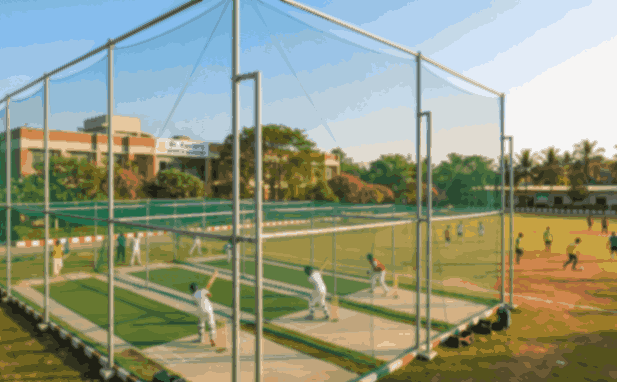 Cricket/Football Ground Net Services
Ensure a secure and professional sporting environment with our Cricket and Football Ground Net Services. Whether it's a school ground, sports academy, stadium, or private training facility, our high-quality netting systems offer optimal protection, boundary definition, and ball containment for both
Learn more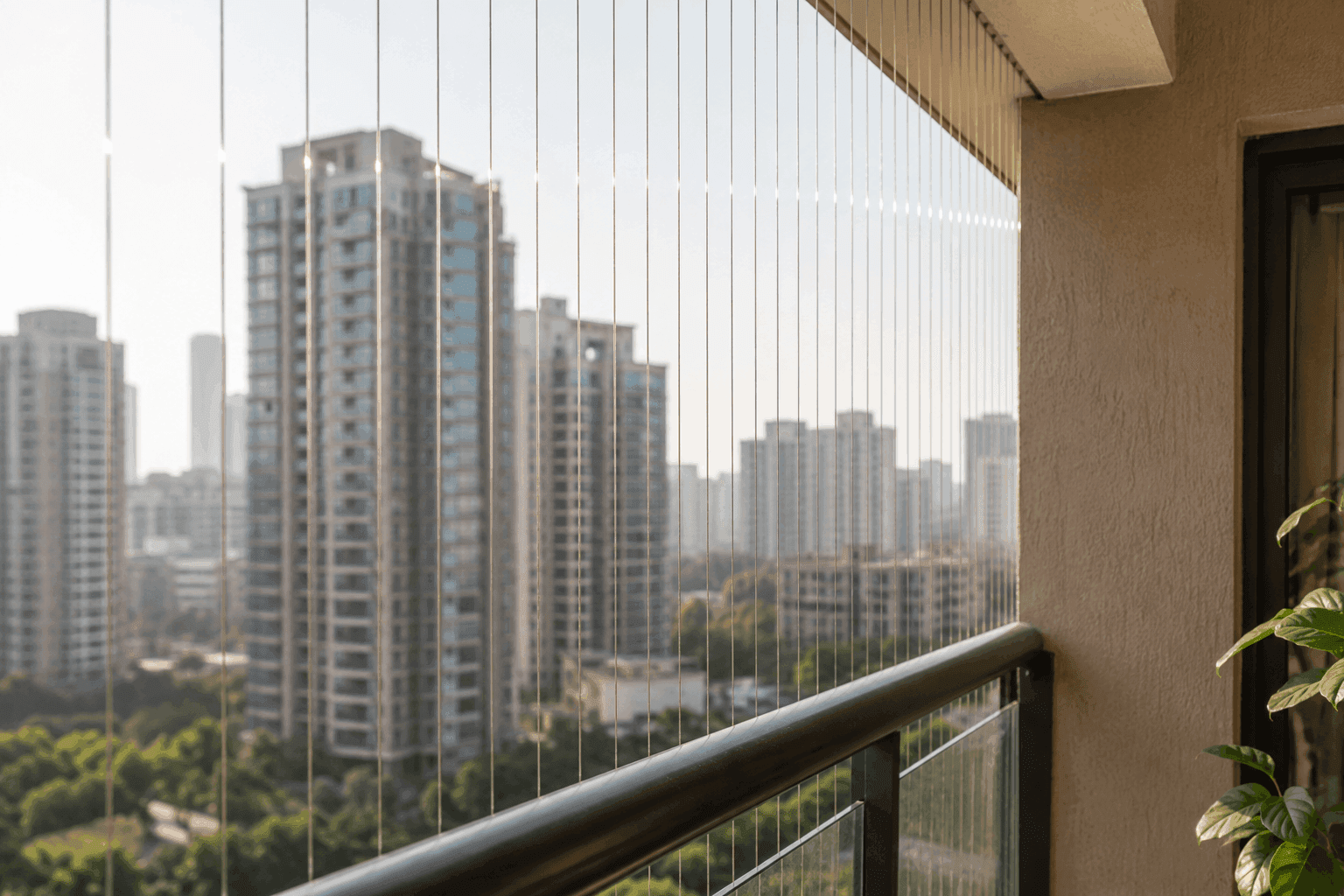 Invisible Grill Services
Protect your home or office without compromising your view. Our Invisible Grill Services provide a modern, sleek, and secure alternative to traditional window grills. Whether you're in a high-rise apartment, office, or villa, invisible grills offer unmatched safety while maintaining a clean and eleg
Learn more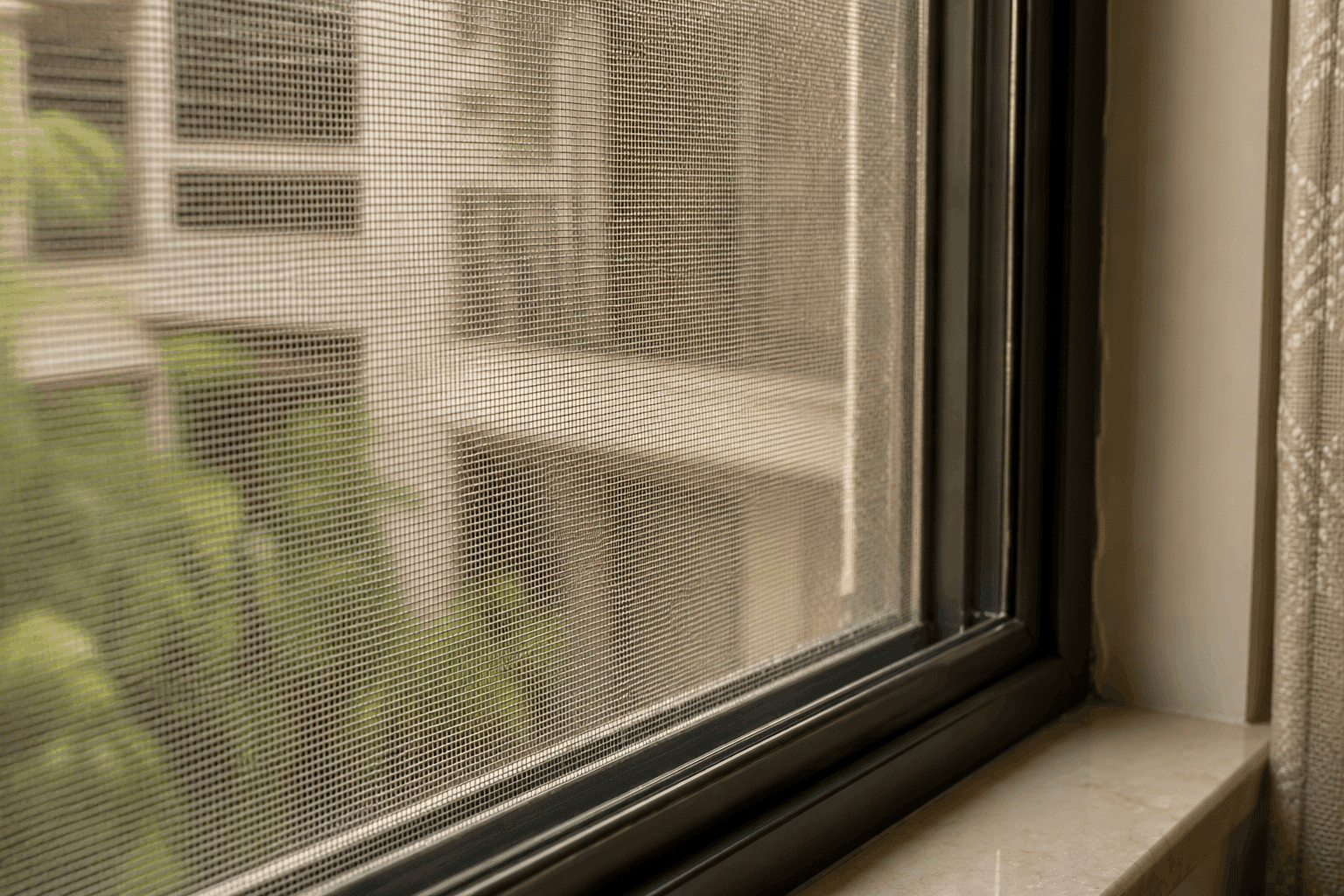 Mosquito Net Services
Say goodbye to mosquitoes, flies, and other insects-without compromising on aesthetics or ventilation. Our Mosquito Net Services offer a sleek, space-saving solution to protect your home or office while allowing natural airflow and clear outside views.
Learn more
Get your space protected
Free inspection, fixed quote, 100% satisfaction guarantee - across all 31 branches, 24×7.