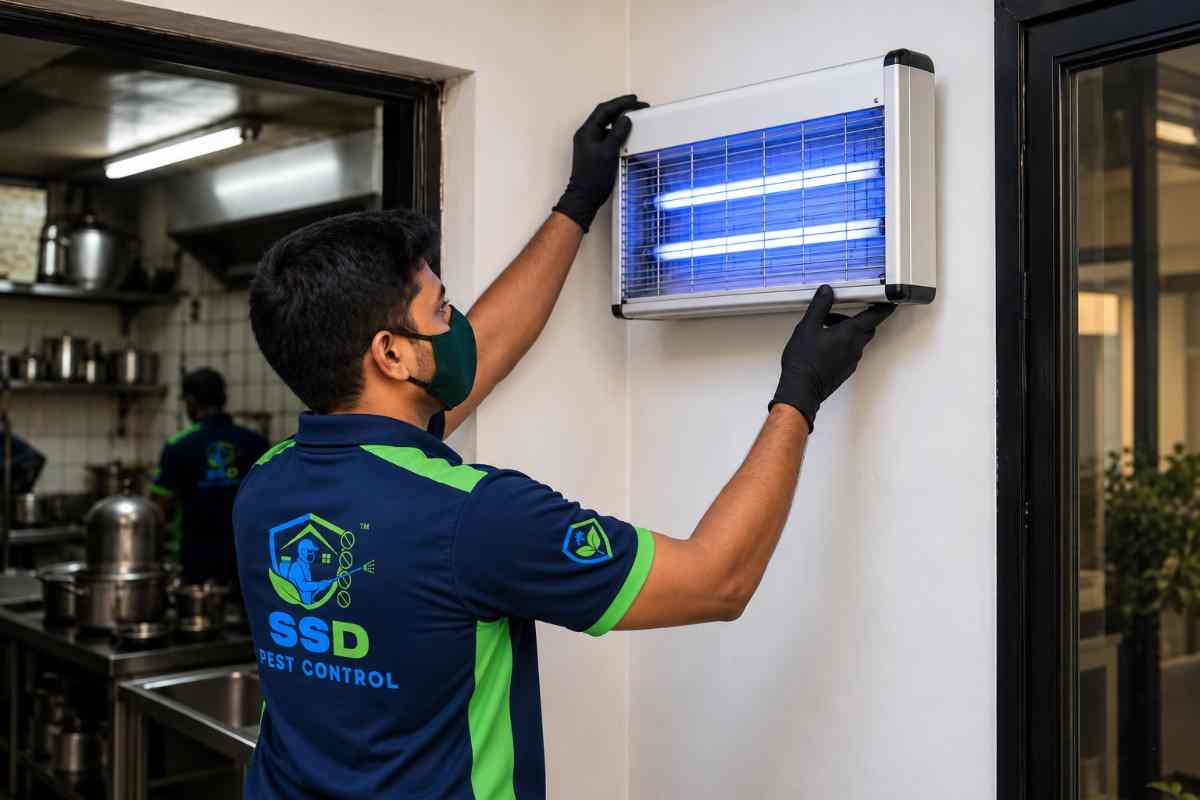
Fly Control Services
Flies aren't just an annoying nuisance – they're dangerous carriers of germs and diseases. At SSD Pest Control Services Pvt. Ltd., we offer specialized Fly Control Services to eliminate flies from residential, commercial, and industrial environments using safe, scientific, and highly effective techn
- Odourless, child & pet safe
- 24×7 · 31 branches
- 100% satisfaction guarantee
Flies aren't just an annoying nuisance – they're dangerous carriers of germs and diseases. At SSD Pest Control Services Pvt. Ltd., we offer specialized Fly Control Services to eliminate flies from residential, commercial, and industrial environments using safe, scientific, and highly effective techniques.
Why Fly Control Is Essential
Flies are one of the most common disease vectors, responsible for transmitting bacteria and viruses such as:
Typhoid
Cholera
Salmonella
Dysentery
Tuberculosis
Eye and skin infections
They contaminate food, surfaces, and packaging just by landing – making them a severe health hazard, especially in food processing, hospitality, and healthcare industries.
Common Fly Breeding Grounds:
Garbage areas
Drains and sewers
Food waste zones
Compost bins
Animal waste sites
Stagnant water spots
Our Fly Control Process
At SSD Pest Control Services Pvt. Ltd., we follow an Integrated Fly Management Program tailored to your specific needs:
- 1Inspection & Assessment
Our experts evaluate the level of infestation, identify fly species (house flies, fruit flies, drain flies, etc.), and locate breeding sites.
- 2Sanitation & Exclusion
We guide you in improving sanitation and block fly entry points by:
Installing mesh screens and air curtains
Sealing gaps and crevices
Proper waste management recommendations
- 3Targeted Treatment
We use a combination of techniques based on the severity of the infestation:
Residual insecticide sprays in high-risk areas
Fly baits and traps for immediate reduction
ULV (fogging) treatment in large or high-traffic spaces
Biological control using larvicides for breeding sources
- 4Monitoring & Maintenance
We offer AMC contracts with periodic monitoring to ensure long-term fly control and hygiene compliance.
Why Choose SSD Pest Control Services Pvt. Ltd.?
- 30+ years of pest control expertise
- Trained & certified technicians
- Eco-friendly & WHO-approved chemicals
- Quick, odorless, and non-toxic solutions
- Suitable for homes, restaurants, offices, hospitals, warehouses & more
- Complaint resolution and satisfaction guarantee
Industries We Serve:
Food Processing Units
Hotels & Restaurants
Hospitals & Clinics
Warehouses & Cold Storages
Schools & Educational Institutes
Residential Societies & Bungalows
Don't Let Flies Take Over Your Space
Protect your health and reputation with professional fly control. A single untreated infestation can escalate quickly and cause massive health risks and customer dissatisfaction. Contact SSD Pest Control Services Pvt. Ltd. today for expert Fly Control Services designed to restore cleanliness and peace of mind.
Know Your Fly: Common Species and Why the Difference Matters
"Fly control" is not a single treatment applied the same way to every insect that buzzes past. The flies found in Indian homes and businesses belong to several distinct species, each with its own breeding habits, and effective control depends on identifying which one you're dealing with. The common house fly (Musca domestica) breeds in decaying organic matter and garbage, ranges widely from its breeding site, and is the species most associated with disease transmission because of how far and how often it travels between filth and food.
Fruit flies (Drosophila) are smaller, breed in fermenting fruit, sugary spills, and the organic film that builds up on kitchen surfaces and inside bins, and complete their egg-to-adult cycle in as little as eight to ten days — which is why a fruit fly problem can seem to erupt overnight from what looked like a minor spill. Drain flies (also called moth flies, from the family Psychodidae) look fuzzy and moth-like, are weak fliers usually seen resting near sinks and floor drains, and breed in the gelatinous organic biofilm that coats the inside of poorly maintained drain pipes rather than in visible waste at all.
Flesh flies and blow flies are drawn to carrion and are often the first sign of a dead rodent or bird trapped in a wall cavity, ceiling void, or roof space — frequently detected by smell before the flies themselves are noticed. Because each of these species breeds in a different medium and location, a treatment plan built around the wrong species — spraying for house flies when the real source is a clogged drain, for instance — will suppress visible adults temporarily without ever touching the breeding source, which is why accurate identification has to come before treatment, not after.
How Flies Actually Spread Disease
Flies do not spread disease by biting; they spread it through contact. Their legs and body hairs are covered in fine, sticky structures that pick up bacteria, viruses, and parasite eggs from garbage, sewage, faecal matter, and animal carcasses, and carry that material with them to the next surface they land on — which is often a food preparation counter, an open dish, or a baby's feeding bottle. Because a fly can move between a drain, a garbage bin, and a dining table within minutes, the opportunity for cross-contamination is constant, not occasional.
The feeding process makes this worse. Since flies can only consume liquid, they regurgitate digestive fluid onto solid food to break it down before ingesting it, and they defecate frequently while feeding — both of which deposit pathogens directly onto whatever they are sitting on. This mechanical transmission is linked to a well-documented range of illnesses, including typhoid, cholera, bacillary dysentery, salmonellosis, and E. coli-related diarrhoeal disease, along with eye infections such as conjunctivitis in regions with heavy fly pressure.
The risk is not evenly distributed. Kitchens, food storage areas, hospitals, eldercare facilities, and anywhere infants are fed face materially higher exposure, since these are precisely the environments where contaminated surfaces have the shortest path to someone's mouth. For food businesses in particular, a visible fly problem is also a direct hygiene compliance and reputational risk — customers and inspectors alike treat flies as evidence of poor sanitation, whether or not that's the underlying cause.
Why Fly Activity Spikes During Mumbai's Monsoon
Flies are cold-blooded, and their breeding speed is directly tied to warmth and moisture — conditions that Maharashtra's monsoon and the humid weeks that follow it supply in abundance. In cooler, drier conditions a fly's egg-to-adult cycle can take several weeks; in the warm, saturated air of the monsoon season, that same cycle can complete in a matter of days, which means a small, manageable population can turn into a visible infestation far faster than most people expect.
The monsoon also creates more places for flies to breed. Waterlogging, blocked storm drains, overflowing municipal garbage collection, and organic waste that doesn't dry out the way it would in summer all add up to significantly more breeding medium spread across a wider area — not just inside a property but immediately around it. Properties near open drains, construction sites with standing water, or irregular waste collection schedules tend to see the sharpest increases.
This seasonal pattern is well understood in pest management and is one of the reasons inspection and preventive treatment matter more in the run-up to and during the rains than at other points in the year — waiting until an infestation is already visible means treating a population that has had ideal conditions to establish itself.
Why DIY Sprays and Traps Rarely Solve the Problem
Aerosol sprays, sticky traps, and electric zappers can kill the adult flies you can see, and that visible result is exactly why they feel effective in the short term. What they don't do is reach the breeding site — the drain biofilm, the garbage residue, the decomposing matter in a wall cavity — where eggs and larvae continue developing undisturbed. Because a fly's life cycle from egg to breeding adult can be as short as a week or two, a population that looks controlled after a round of spraying is often back to its original size within days, simply because the source was never addressed.
Repeated, untargeted use of household insecticides also carries its own downsides: it can encourage resistance in local fly populations over time, and it does nothing about entry points like gaps around doors, windows, and pipe penetrations that let outdoor flies keep coming in regardless of how many indoor adults are killed. Effective fly control requires locating and treating the actual breeding source, closing the routes flies use to enter, and applying targeted treatment — work that depends on correctly identifying the species and its breeding habits in the first place.
This is the gap professional treatment is built to close. Every SSD Pest Control Services job begins with a free inspection to locate breeding sites and entry points, followed by a written quote before any treatment starts, so there are no surprises about what's being treated or why. Our treatments are WHO-approved and odourless, which means they're safe to use around children and pets and don't require vacating the property. For homes and businesses that face recurring fly pressure — kitchens, restaurants, warehouses near waste collection points — an AMC plan keeps inspection and treatment on a regular schedule rather than waiting for the problem to resurface, and our teams are available 24x7 across our branches in Maharashtra and Gujarat.
Keeping a Space Fly-Free Between Treatments
Treatment eliminates the current population and its breeding sites, but flies are opportunistic, and a property that offers food or moisture will attract new activity over time. The single most effective habit is denying flies anything to breed in: garbage should be kept in bins with tight-fitting lids, emptied regularly rather than left to accumulate, and organic waste — kitchen scraps, spoiled produce, pet waste — should be disposed of promptly rather than sitting out.
Drains deserve specific attention, since the biofilm that builds up inside pipes is one of the most common and least visible breeding sites for drain and fruit flies. Periodically cleaning floor drains, sink traps, and any area with standing water — including leaking pipes, clogged gutters, or trays under refrigerators and AC units — removes a breeding medium most people never think to check. Keeping food covered and promptly refrigerating anything that shouldn't sit out reduces the surfaces flies are drawn to in the first place.
Physical exclusion matters just as much as sanitation: intact fly screens on windows and doors, and sealed gaps around pipes and vents, stop outdoor flies from getting in regardless of how clean the interior is kept. For properties with a history of infestation or ongoing exposure — food service kitchens, warehouses, healthcare facilities — pairing these habits with scheduled follow-up inspection under an AMC plan is the most reliable way to catch a new breeding site before it becomes a visible problem again.
Related services
All 21 services →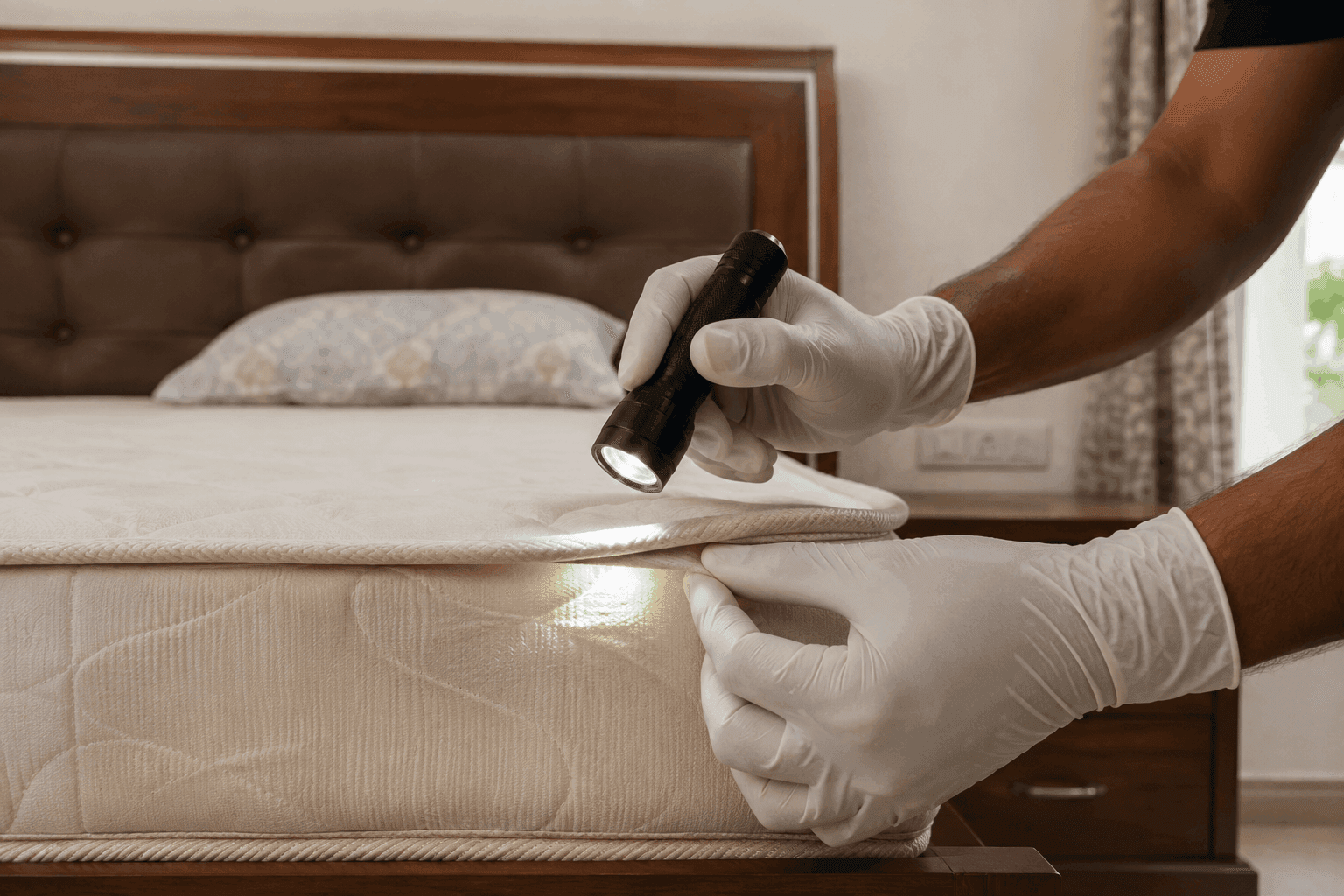 Bed Bug Control Services
Waking up with itchy red bites? Noticing blood stains or tiny insects in your bedding? You might be dealing with bed bugs-tiny pests that cause major discomfort. At SSD Pest Control Services Pvt. Ltd., we provide expert Bed Bug Control Services designed to eliminate every last bug and restore your c
Learn more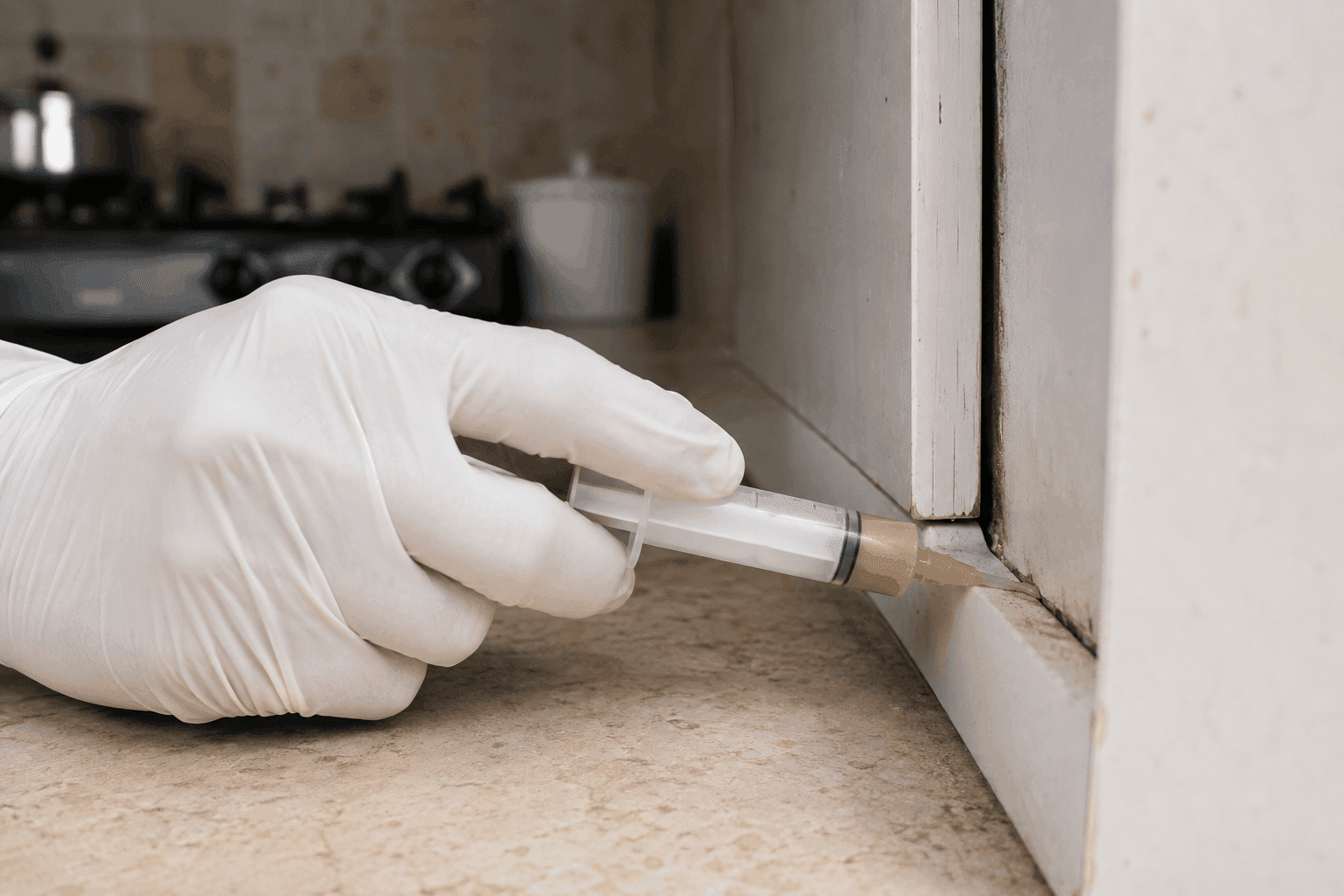 Cockroach Pest Control Services
Protect your space from disease-carrying cockroaches with Mumbai's most reliable pest control experts – SSD Pest Control Services Pvt. Ltd. We provide long-lasting, eco-friendly, and scientifically backed cockroach pest control services across Mumbai, Thane, Navi Mumbai, Nashik, Amravati, and Paratw
Learn more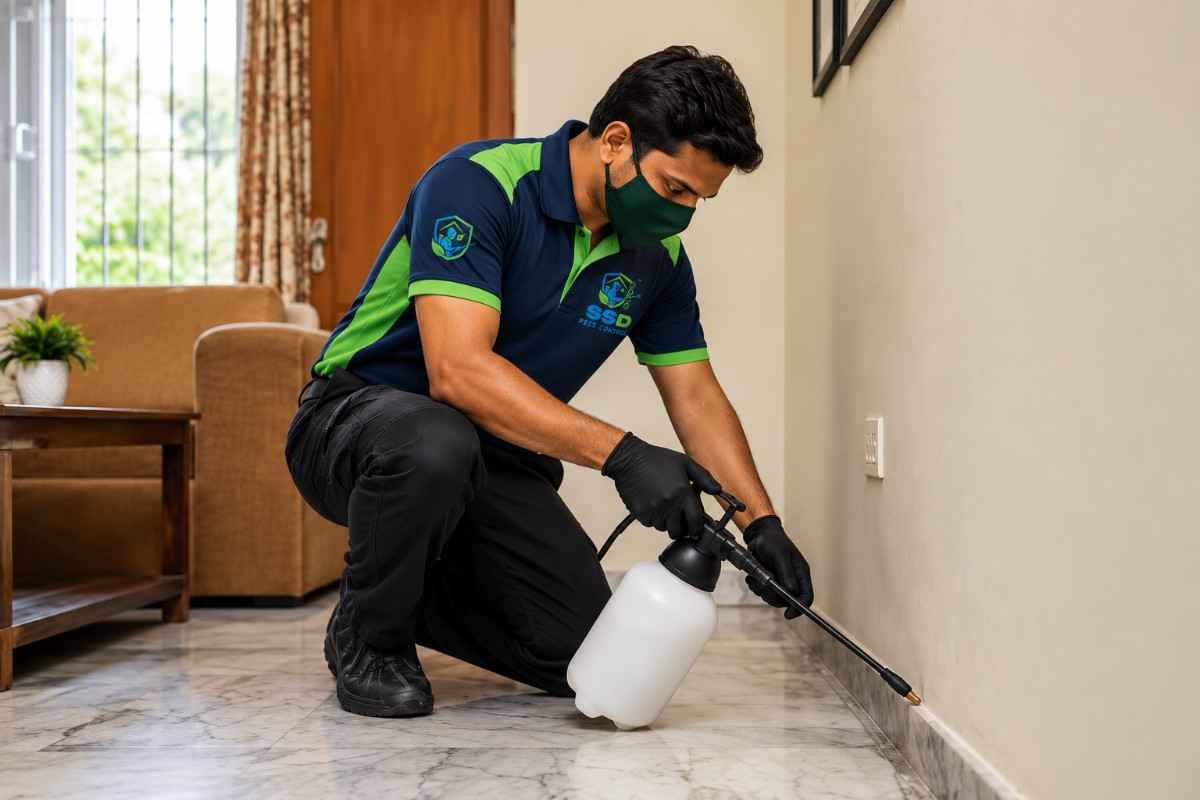 General Pest Control Services
General pest control is a proactive service designed to manage and eliminate a broad spectrum of common pests including: - Cockroaches - Ants - Lizards - Spiders - Silverfish - Houseflies - Mosquitoes - Mice/Rodents (basic level) These pests not only create a nuisance but can also pose serious hea
Learn more
Get your space pest-free
Free inspection, fixed quote, 100% satisfaction guarantee - across all 31 branches, 24×7.