Pest Control for Hotels
Hotels carry a different kind of pest risk than any other business - one guest complaint about a bed bug or a cockroach in the lobby can cost far more than the treatment itself. Scheduled, discreet pest control built around occupancy and guest experience, not just the pests.
- Odourless, child & pet safe
- 24×7 · 31 branches
- 100% satisfaction guarantee
A hotel's pest risk isn't like a home's or an office's. Guests arrive from everywhere, luggage moves in and out all day, kitchens run around the clock, and a single online review mentioning a pest sighting can do more damage than the pest itself.
That means hotel pest control has to solve two problems at once: actually keeping pests out, and doing it without guests ever noticing - no strong odours in corridors, no visible traps in guest-facing areas, no treatment schedules that clash with check-in and check-out.
Why Hotels Need a Different Approach
A restaurant only has to worry about its kitchen and dining area. A hotel has to protect guest rooms, corridors, back-of-house kitchens, laundry, storage, and a lobby that's the first thing every guest sees - all at the same time, with guests present nearly every hour of the day.
High guest turnover is the single biggest factor: every checked-out room, every piece of luggage, every delivery is a possible entry point, and it never stops the way a typical business day does.
Common Pests in Hotels
The pests that matter most in a hotel are the ones most likely to trigger a guest complaint or a health inspection issue.
- Bed bugs - the single most reputation-sensitive pest in hospitality, spread by luggage and guest turnover
- Cockroaches - kitchens, pantries, and any area with food storage or waste
- Rodents - loading docks, kitchens, and storage areas, especially in older buildings
- Ants and flies - common around F&B outlets, banquet halls, and waste disposal points
Discretion and Guest Experience
Treatment scheduling works around occupancy, not the other way round - rooms and public areas are treated using odourless, low-disruption methods so guests are never aware a treatment happened.
Where visible pest control equipment is unavoidable (bait stations in back-of-house areas, for example), placement is planned to stay entirely out of guest sightlines.
Compliance and Kitchen Areas
A hotel's F&B operation is held to the same food-safety standards as any commercial kitchen - FSSAI norms and routine hygiene audits included. Pest control in kitchen, pantry and storage areas is planned to support that compliance, not work around it.
Ongoing, Scheduled Protection
Because guest turnover never really stops, one-time treatments aren't enough on their own - hotels are best served by a scheduled AMC-style plan with regular inspection visits, so new pest pressure is caught before it becomes a guest-facing problem.
Why Choose Professional Hotel Pest Control
A hotel can't afford to treat pest control as an occasional call-out. It needs a plan built around how the property actually operates - guest schedules, kitchen hours, housekeeping rounds, and the reality that reputation, not just hygiene, is on the line.
Online Reviews Are Now Pest Control's Real Stakes
A single guest photo of a cockroach on a nightstand or a bed bug bite pattern on a forearm can travel further and faster than any marketing a hotel puts out. It lands on review platforms, travel forums, and social media, often before the front desk even hears about it, and it stays searchable for years after the room involved has been treated and re-let many times over. For a hotel, pest control is not a back-of-house maintenance line item; it is reputation risk management, and the cost of getting it wrong is measured in cancelled bookings and rating drops, not just in the price of a treatment.
This changes what "good" pest control looks like for a hospitality property compared to a home or a small shop. It is not enough to eliminate an active problem when someone finally notices it. The standard has to be that guests never have a reason to notice anything at all — which means the work is judged as much by its invisibility and its prevention record as by its effectiveness once a pest is already visible.
That is why pest control for a hotel has to treat reputation exposure as part of the brief from day one, not as an afterthought raised only after a bad review has already gone up. Inspection schedules and treatment choices should be made with that guest-facing consequence in view, not just the immediate presence or absence of a pest.
The Anatomy of a Hotel's Pest Risk
A hotel is really several distinct environments stitched together under one roof, and each one carries a different pest risk profile. Guest rooms face constant turnover — new luggage, new linens sent out and returned, new occupants every night or few nights — which makes them the highest-risk entry point for bed bugs in particular, since these pests travel almost exclusively by hitchhiking in bags and clothing rather than moving room to room on their own. Back-of-house areas — laundry, linen storage, staff changing rooms — see heavy traffic and stored soft goods, both of which pests are drawn to. Loading docks and delivery areas are where rodents and crawling insects most often first enter a property, riding in on crates, pallets, and produce deliveries. And banquet halls, spas, and event spaces sit empty for stretches and then fill quickly, which can let early activity go unnoticed until an event is already underway.
Because these zones behave so differently, a single blanket treatment plan across the whole property misses the point. Room-by-room bed bug vigilance calls for a different inspection rhythm than the loading dock does, and a spa or wellness area has different chemical-sensitivity considerations than a boiler room or basement store. Effective hotel pest control maps out the property zone by zone and matches the frequency and method of inspection to what actually happens in that space.
This zoning also matters for accountability. When an issue is traced to a specific area — say, recurring rodent activity near a particular delivery entrance — a zone-based approach makes it possible to identify the actual entry point and close it, rather than repeatedly treating symptoms across the whole building without ever addressing the source.
Staff Training Is Part of the Defence
Housekeeping, front desk, and maintenance staff are usually the first people to notice the early, subtle signs of a pest problem — a faint musty smell in a room, small dark spotting on a mattress seam, droppings behind a minibar, an unusual scratching sound in a ceiling void. Whether those signs get reported quickly or get missed entirely often comes down to whether staff know what they're looking at and understand that flagging it immediately is more valuable than trying to handle it quietly on their own.
This is a genuine gap in many properties, not because staff are careless but because pest identification simply isn't part of standard hospitality training. A housekeeper who has never been shown what bed bug fecal spotting looks like on dark fabric, or what early termite mud tubing looks like along a skirting board, cannot be expected to catch it during a routine room turnover. Building that awareness into onboarding and periodic refreshers turns an entire staff into an early-warning network, which catches problems while they are still small and containable rather than after they have spread across several rooms or floors.
Clear internal reporting channels matter just as much as the training itself — a housekeeper who spots something suspicious needs a fast, simple way to flag it and get a room pulled from inventory for inspection, without navigating layers of approval that delay a response by days. The properties that handle pests best are usually the ones where reporting a concern is treated as routine good practice, not as an admission that something has gone wrong.
Monsoon and Seasonal Pressure on Hotel Properties
Across Maharashtra and Gujarat, the monsoon months bring a sharp, predictable rise in pest pressure that hotels feel more acutely than most other commercial properties. Sustained humidity and standing water around building perimeters, terraces, and basement areas create ideal breeding conditions for mosquitoes and encourage cockroach and ant activity indoors as these pests seek out drier, warmer spaces — which, for a cockroach or ant, means kitchens, guest bathrooms, and service corridors. Termites are also typically more active during and just after the rains, when moisture makes wood and structural timber more attractive and easier to penetrate.
For a hotel, this seasonal shift has to be planned for rather than reacted to, because a property that only calls for treatment after guests start noticing mosquitoes at the pool deck or an ant trail near a buffet station is already behind. Perimeter and drainage checks, gap and crack sealing around windows and service openings, and stepped-up inspection frequency in the weeks leading into monsoon meaningfully reduce how much activity actually reaches guest-facing areas once the rains set in.
The dry, hotter months carry their own shifts too — rodents and certain crawling insects often move indoors seeking shade and stored food sources as outdoor conditions turn less hospitable to them. A hotel's pest control calendar should account for both halves of the year rather than treating monsoon prep as the only seasonal consideration.
Working Around a Hotel's Occupancy
One of the hardest practical constraints in hotel pest control is that the property essentially never fully closes. There is no convenient window to shut down a floor for two days and treat every room in sequence — occupancy has to be worked around, not interrupted, and treatment scheduling has to flex around checkout times, housekeeping cycles, and event bookings rather than the other way round.
This is where odourless, WHO-approved treatment methods matter in a very concrete, operational way, beyond just guest comfort. Because there is no lingering smell and no need to vacate a treated room, rooms can be serviced during a normal daily turnover and returned to inventory the same day, without a chemical odour tipping off the next guest that anything happened at all. That single detail — not needing to block out room availability around a treatment — is often the difference between pest control that a hotel's operations team can actually live with and one that keeps getting pushed off because it's too disruptive to schedule.
Coordinating around occupancy also means working closely with a hotel's own operations calendar — treating conference rooms between bookings, servicing kitchens during off-peak prep hours, and timing common-area work around low-footfall periods. A pest control partner that understands hotel operations builds treatment schedules that fit inside the property's existing rhythm, rather than asking the property to fit around the treatment.
Related services
All 21 services →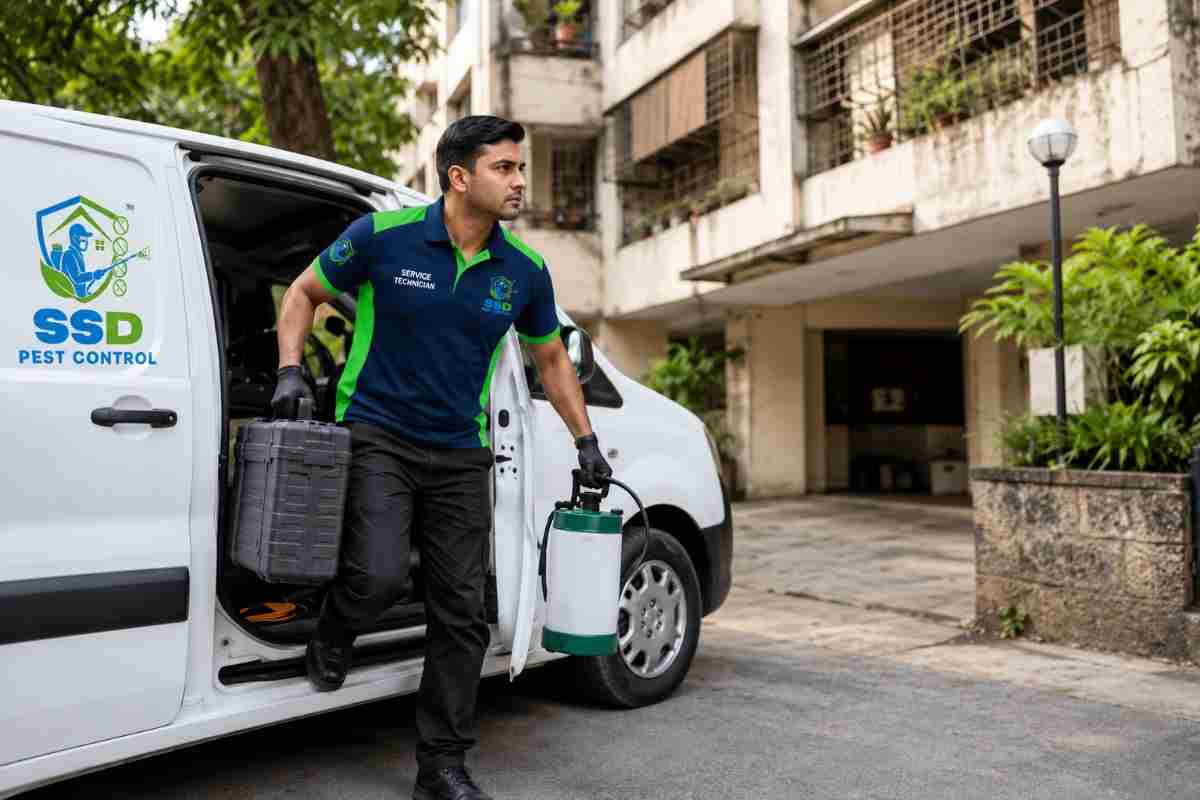 60-Minute Express Pest Control (Mumbai to Thane)
Pest emergency and can't wait days for an appointment? Along the Dahisar-to-Andheri (Mumbai) and Thane corridor, our team aims to reach you within 60 minutes of your call - for pest control (residential, commercial and restaurants) and Rat Guard installation.
Learn more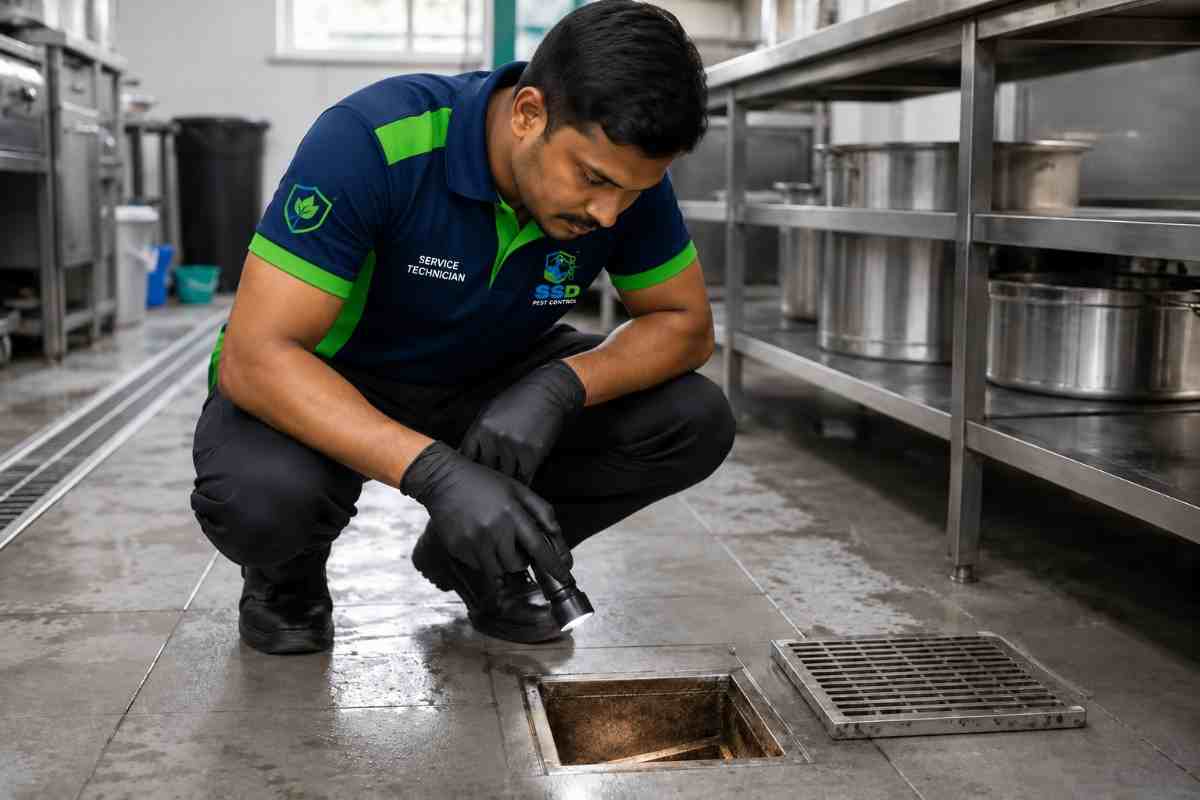 Commercial Pest Control Services
- Protect Brand Reputation: Visible pests can drive away customers and clients. - Ensure Hygiene & Safety: Pests carry bacteria and diseases that endanger staff and customers. - Prevent Property Damage: Termites, rodents, and insects can destroy infrastructure, inventory, and electronics. - Stay Leg
Learn more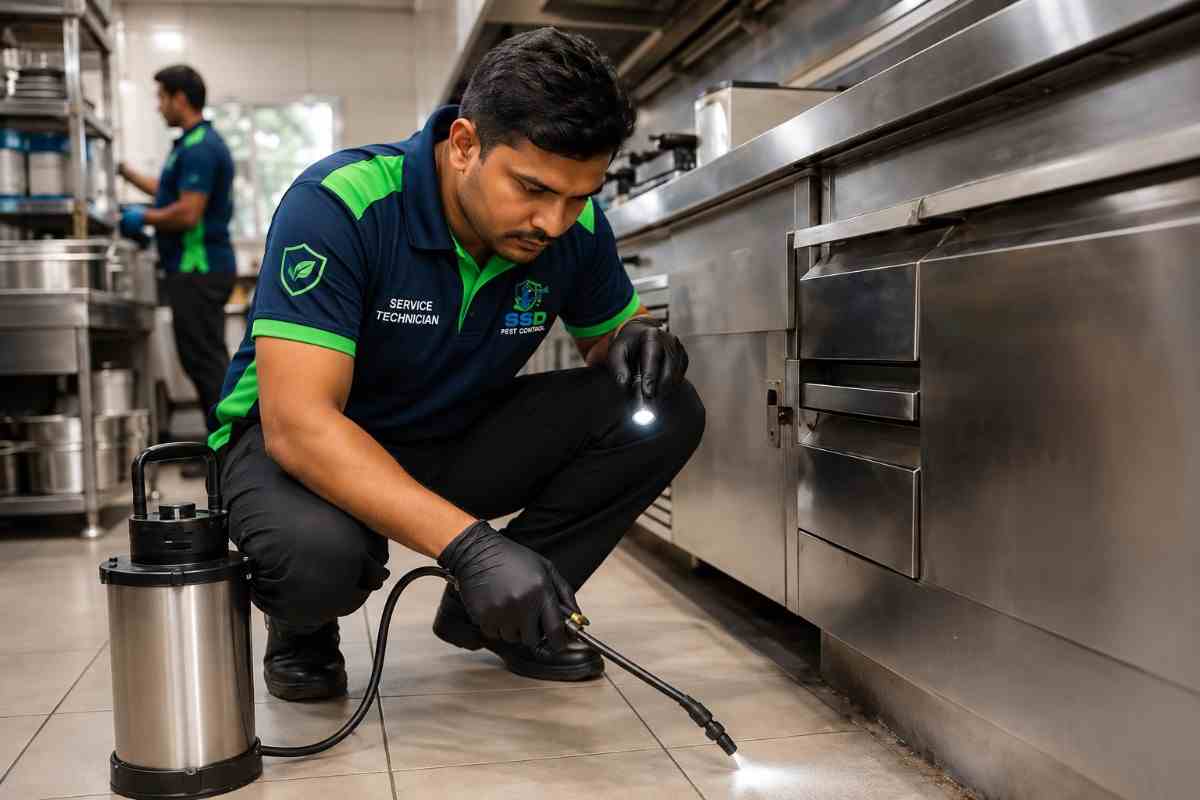 Pest Control for Restaurants
A single pest sighting in the dining area, or a failed FSSAI inspection, can shut a restaurant down or wreck its reviews overnight. Scheduled pest control built around kitchen compliance and service hours - not a one-time spray.
Learn more
Get your space pest-free
Free inspection, fixed quote, 100% satisfaction guarantee - across all 31 branches, 24×7.