Bed Bug Control Services
Waking up with itchy red bites? Noticing blood stains or tiny insects in your bedding? You might be dealing with bed bugs-tiny pests that cause major discomfort. At SSD Pest Control Services Pvt. Ltd., we provide expert Bed Bug Control Services designed to eliminate every last bug and restore your c
- Odourless, child & pet safe
- 24×7 · 31 branches
- 100% satisfaction guarantee

Waking up with itchy red bites? Noticing blood stains or tiny insects in your bedding? You might be dealing with bed bugs-tiny pests that cause major discomfort. At SSD Pest Control Services Pvt. Ltd., we provide expert Bed Bug Control Services designed to eliminate every last bug and restore your comfort.
Why Bed Bugs Are a Serious Problem
Bed bugs are nocturnal parasites that feed on human blood. They hide in mattresses, furniture, cracks in walls, and even electrical outlets. A single female can lay hundreds of eggs in her lifetime, turning a small problem into a massive infestation fast.
Health & Hygiene Risks:
- Sleepless nights & anxiety
- Allergic skin reactions
- Secondary infections from scratching
- Rapid multiplication if untreated
Signs You May Have Bed Bugs
- Red, itchy bites in a line or cluster on your body
- Blood stains or black spots on sheets and pillowcases
- Tiny white eggs or shed skins in mattress seams or corners
- A musty, sweet odor from heavy infestations
- Actual sightings of bed bugs (brown, apple seed-sized insects)
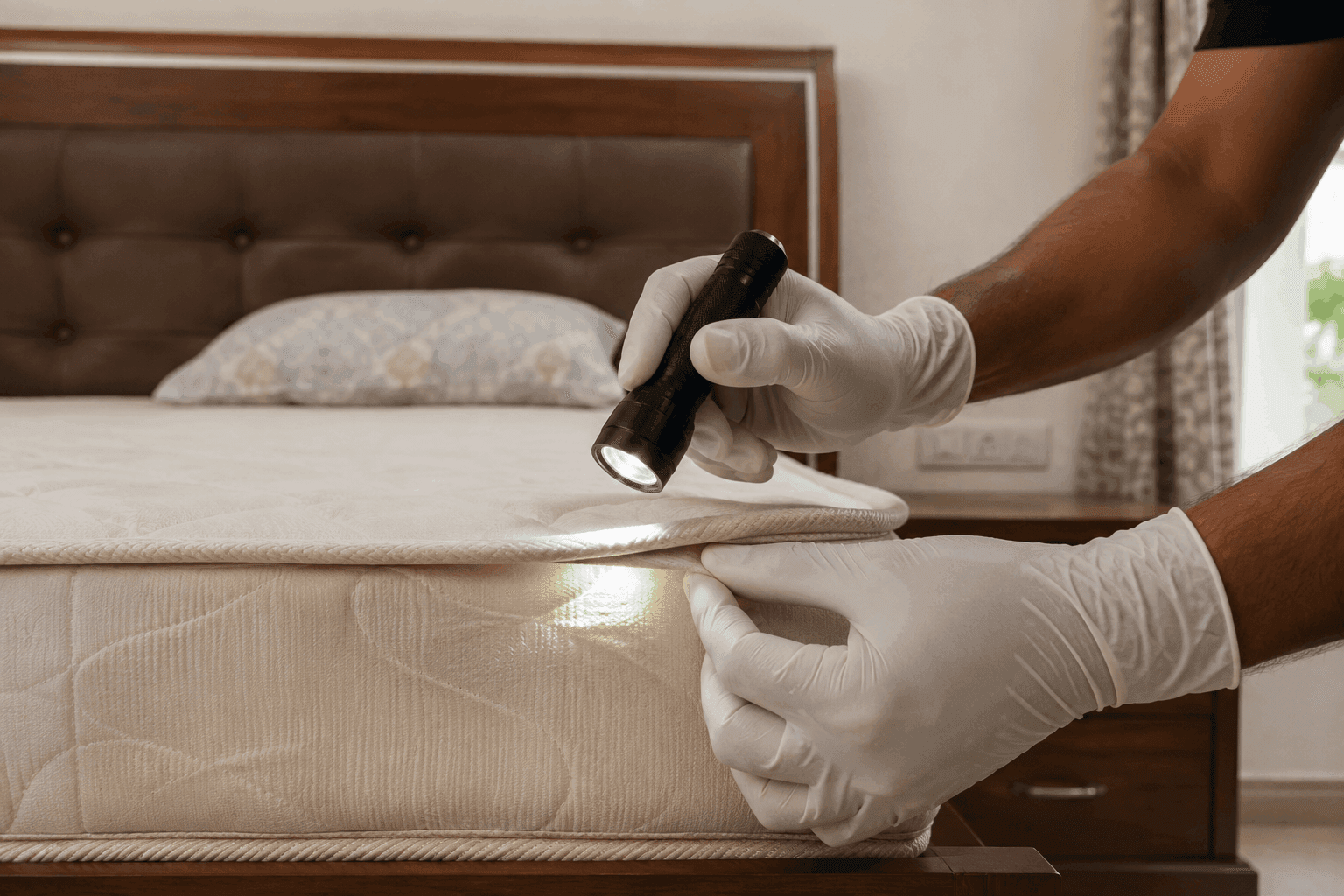
- 1Inspection & Assessment
Our trained technicians inspect mattresses, furniture, bedding, and crevices to identify infested areas and gauge the severity.
- 2Deep Cleaning & Preparation
We guide you through a pre-treatment cleaning process that includes washing linens at high temperatures, vacuuming, and clutter removal.
- 3Targeted Treatment
We use a combination of safe and effective methods including:
- High-residue sprays: To penetrate cracks and crevices
- Heat treatment: Kills eggs, nymphs, and adults
- Spot treatment: For beds, headboards, and furniture
- Steam & vacuuming: For sensitive areas or where chemical use is limited
- 4Follow-Up & Monitoring
Our bed bug control services include a second visit or follow-up inspection to ensure 100% eradication. We monitor high-risk areas and advise on prevention techniques.
Why Choose SSD Pest Control Services Pvt. Ltd.?
- ✅ Trained & Certified Technicians - Our experts know where to find bed bugs and how to eliminate them completely.
- ✅ Safe & Non-Toxic Chemicals - We use government-approved, odorless, and eco-friendly chemicals safe for children and pets.
- ✅ Discreet & Professional Service - We maintain your privacy and perform services with minimal disruption.
- ✅ Guaranteed Results - Our bed bug treatment plans include a service warranty and free follow-up visit if required.
- ✅ Customized AMC Packages - Opt for our Annual Maintenance Contracts to ensure ongoing protection from bed bugs and other pests.
Who Needs Bed Bug Control Services?
- Homeowners
- Hotels, Resorts & Guest Houses
- PGs & Hostels
- Hospitals & Clinics
- Schools & Colleges
- Offices with lounge/nap areas
Tips to Prevent Bed Bug Infestations
- Inspect hotel rooms before settling in
- Avoid buying second-hand furniture without inspection
- Use bed bug-proof mattress covers
- Vacuum regularly and reduce clutter
- Wash bedding in hot water often
Don't Let the Bed Bugs Bite – Call the Experts Today!
A bed bug infestation won't go away on its own. Trust SSD Pest Control Services Pvt. Ltd. to deliver reliable, professional, and long-lasting solutions to help you reclaim your peace of mind and your sleep.
How Bed Bugs Spread Between Rooms and Neighbouring Units
Bed bugs cannot fly and do not jump the way fleas do; they spread almost entirely by hitchhiking. A pregnant female or a cluster of eggs can travel in the seams of a suitcase, the folds of a used sofa, a cardboard moving box, or even a laptop bag, and once inside a building they crawl along skirting boards, cables and pipe runs to find a new harbourage close to a reliable blood source. This is why an infestation frequently traces back to a recent trip, a hostel stay, a piece of secondhand furniture, or a visitor rather than to anything the household itself did wrong.
In the kind of multi-unit housing common across Mumbai and other dense cities in Maharashtra and Gujarat - apartment blocks, PG accommodations, hostels, and hotels - bed bugs have an easier time moving sideways than most homeowners expect. They travel through shared wall cavities, false ceilings, electrical conduits, and along the backs of built-in wardrobes that back onto a neighbouring unit. A colony that starts in one flat can establish a foothold next door well before anyone there notices a single bite, which is one reason infestations in apartment buildings tend to resurface even after one unit is treated in isolation.
This spread pattern is also why treating only the room where bites are noticed rarely solves the problem for long. A thorough assessment needs to look at adjoining rooms, shared walls, and common furniture-storage areas as potential harbourage zones, not just the bed itself.
The Bed Bug Life Cycle and Why a Single Treatment Isn't Enough
A female bed bug can lay several eggs a day over her lifetime, and those eggs are coated in a protective, cement-like substance that makes them far more resistant to contact insecticides than the adults and nymphs that hatch from them. Depending on temperature and humidity, eggs typically take somewhere around a week to ten days to hatch, which means a treatment that kills every visible bug on the day of the visit can still leave a batch of eggs behind that hatches days later.
Nymphs need a blood meal to move through each of the several stages before reaching adulthood, and they begin feeding and hiding almost as soon as they emerge. Because of this staggered hatching pattern, a bed bug population is rarely made up of a single generation at a single life stage - at any given time there can be eggs, several nymph stages, and adults present in the same harbourage simultaneously. Eliminating all of them usually requires treatment timed to catch newly hatched nymphs before they mature and reproduce again, which is the biological reason a proper bed bug programme is built around a scheduled follow-up rather than a one-time visit.
This is also why a treatment can sometimes look like it "didn't work" when in fact it worked exactly as intended on the population present that day - a follow-up visit is what closes the gap left by the eggs that hadn't hatched yet.
Why Over-the-Counter Sprays Rarely Solve a Bed Bug Problem
Off-the-shelf aerosol sprays are formulated primarily as contact killers - most of their effect lands on the insects they physically touch at the moment of spraying. Bed bugs spend most of their time wedged deep inside mattress seams, bed frame joints, skirting board gaps, and behind wall fixtures, well out of reach of a spray nozzle, so a can of insecticide typically only reaches the handful of bugs caught out in the open rather than the bulk of the population hiding nearby.
Worse, many repellent-type sprays actively push surviving bed bugs to scatter into cracks, adjoining furniture, or neighbouring rooms rather than killing them, which can turn a contained problem in one bedroom into a dispersed one across a flat. Repeated, poorly targeted spraying with the wrong product can also expose residents, particularly children and pets, to unnecessary chemical contact without meaningfully reducing the infestation - and it can mask the early signs of activity long enough for the population to recover and grow before anyone realises the first attempt failed.
Effective elimination depends on correctly identifying every harbourage site, not just the visible ones, and matching the treatment to the life stages present, since eggs, nymphs and adults all respond differently. That level of inspection and targeting is difficult to replicate with a single retail product, which is why a proper assessment before any treatment starts, rather than guesswork with a spray can, tends to make the difference between a problem that's actually resolved and one that keeps coming back.
Bed Bug Activity Through Maharashtra and Gujarat's Seasons
Bed bugs are less tied to outdoor weather than pests like mosquitoes, since they live indoors year-round and feed off human hosts rather than depending on standing water or vegetation. Even so, the warm, humid conditions typical of coastal Maharashtra and much of Gujarat for large stretches of the year keep indoor temperatures well within the range bed bugs need to develop quickly, so activity rarely drops off the way it might in a genuinely cold climate.
The monsoon months bring an added factor: more time spent indoors, higher ambient humidity, and clutter from monsoon storage of items can all create more hiding spots and slightly faster egg development. Outside the monsoon, the festival and wedding season brings a spike in travel, guest stays, and short-term accommodation use, all of which raise the odds of bed bugs hitching a ride into a home in luggage, gifts, or rented furniture and decor.
None of this means bed bugs follow a strict seasonal calendar the way some outdoor pests do - infestations can and do start at any time of year. But households and hospitality businesses that see heavy guest turnover around these periods have good reason to inspect a little more carefully after each one.
Looking After Your Home in the Weeks After Treatment
A professional bed bug treatment doesn't end the moment the technician leaves. Bedding, curtains, and any washable fabric that was in the treated area should be laundered on the hottest setting the fabric allows and dried on high heat, since heat is one of the most reliable ways to kill any bugs or eggs that survived on textiles. Items that can't be washed - books, electronics, some soft furnishings - are better sealed in plastic bags for a few weeks rather than brought back into circulation immediately.
It's normal to see the odd bite or bed bug in the first week or two after treatment; this doesn't necessarily mean the treatment failed - it more often reflects eggs that hadn't hatched yet at the time of the visit, which is exactly the kind of gap a scheduled follow-up visit is meant to catch. Mattress and box-spring encasements are worth keeping on for several months afterward, since they starve out any residual bugs trapped inside and make future inspections faster.
For households, hostels, hotels, and offices where the risk of reintroduction is ongoing - frequent guests, high staff turnover, shared laundry facilities - a single treatment visit isn't always enough on its own. An AMC (Annual Maintenance Contract) plan built around scheduled visits gives that kind of property continuous coverage, rather than waiting for the next visible infestation to start the whole process over again.
Related services
All 22 services →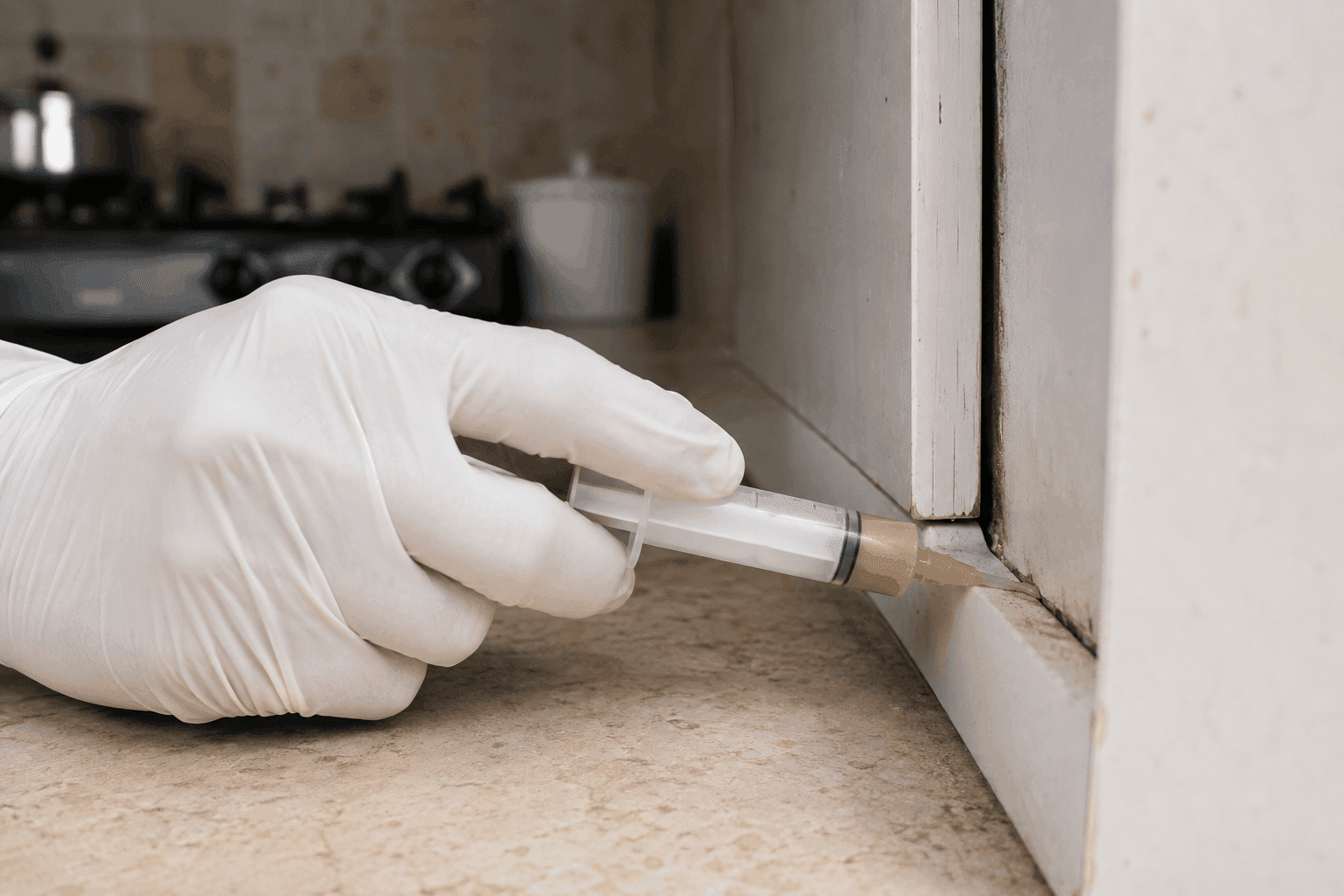 Cockroach Pest Control Services
Protect your space from disease-carrying cockroaches with Mumbai's most reliable pest control experts – SSD Pest Control Services Pvt. Ltd. We provide long-lasting, eco-friendly, and scientifically backed cockroach pest control services across Mumbai, Thane, Navi Mumbai, Nashik, Amravati, and Paratw
Learn more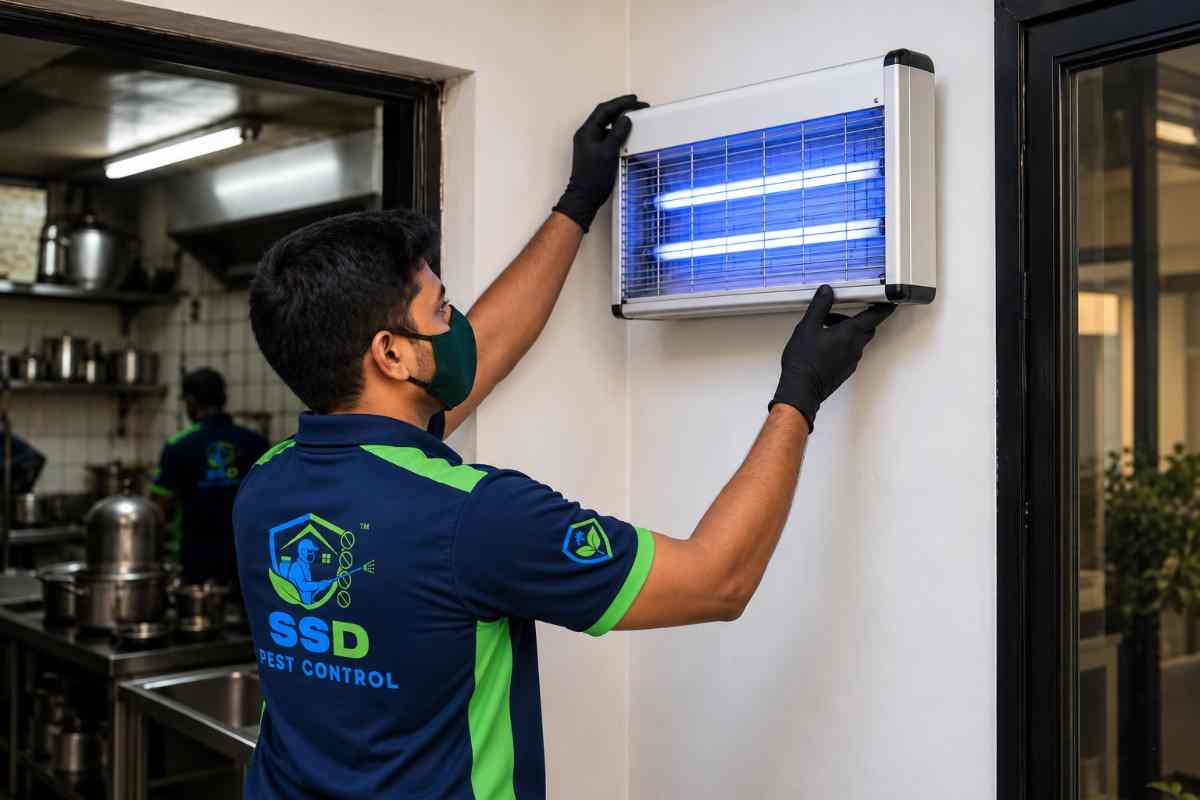 Fly Control Services
Flies aren't just an annoying nuisance – they're dangerous carriers of germs and diseases. At SSD Pest Control Services Pvt. Ltd., we offer specialized Fly Control Services to eliminate flies from residential, commercial, and industrial environments using safe, scientific, and highly effective techn
Learn more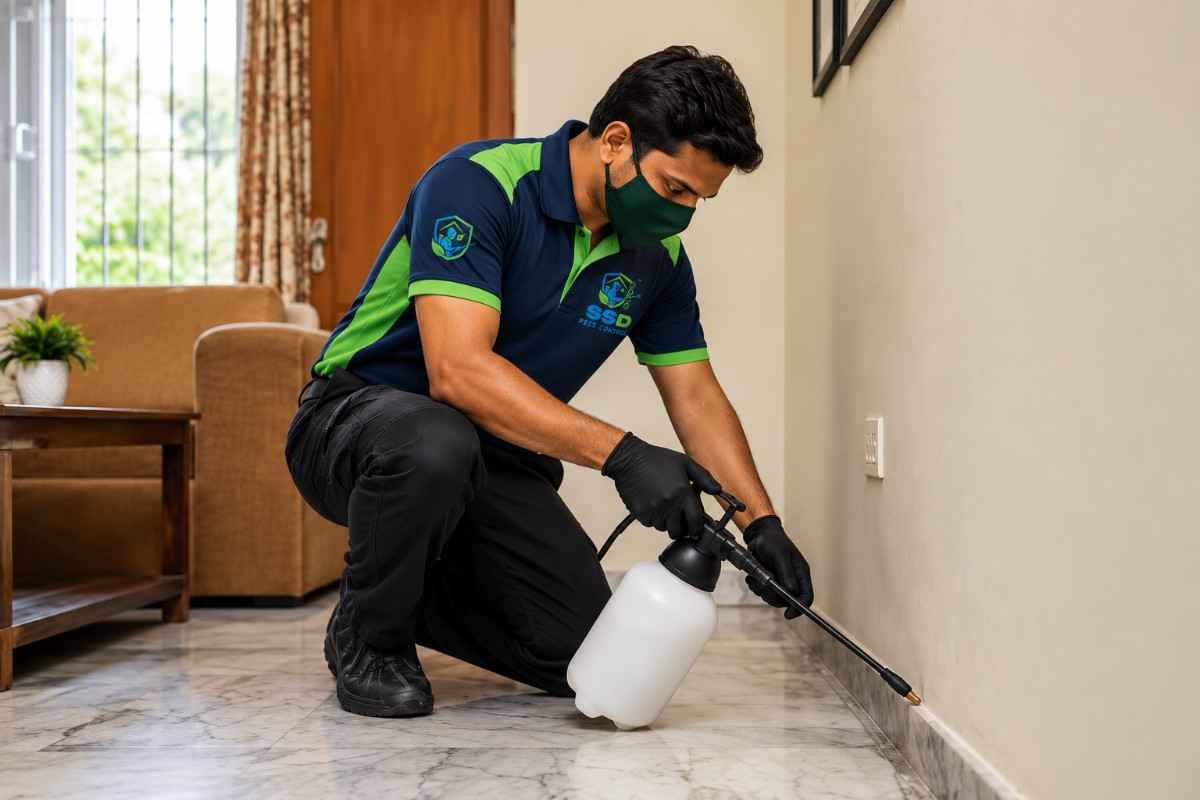 General Pest Control Services
General pest control is a proactive service designed to manage and eliminate a broad spectrum of common pests including: - Cockroaches - Ants - Lizards - Spiders - Silverfish - Houseflies - Mosquitoes - Mice/Rodents (basic level) These pests not only create a nuisance but can also pose serious hea
Learn more
Get your space pest-free
Free inspection, fixed quote, 100% satisfaction guarantee - across all 31 branches, 24×7.