Restaurant Pest Control: A Practical Checklist for Your Next Hygiene Audit
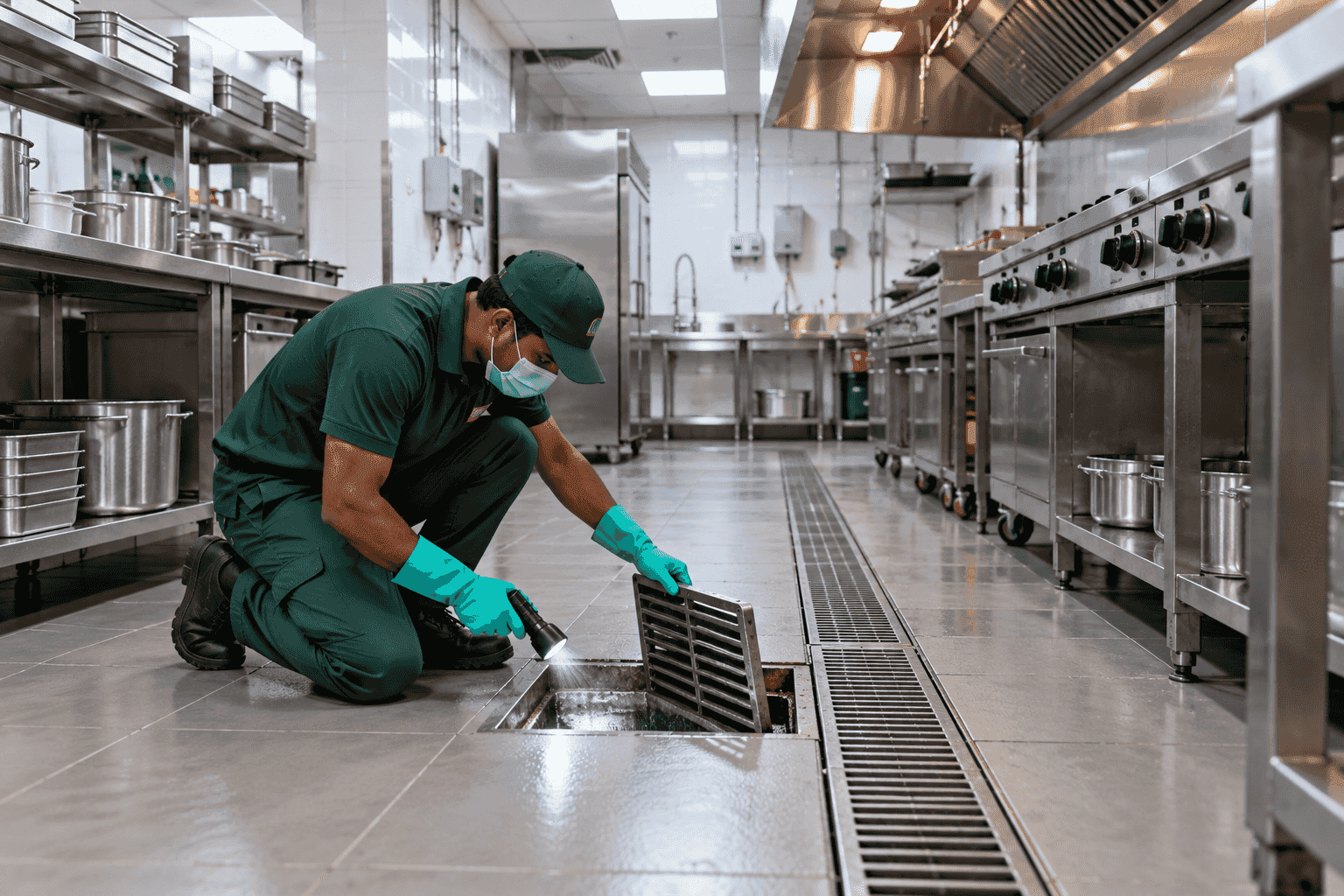
A restaurant carries two kinds of pest risk at once. In the kitchen, food is stored, prepared and cooked every day. In the dining area, guests are watching. A cockroach on a wall or a fly near a plate rarely stays private - it ends up in a review within the hour.
Pest control is also one of the first things a food-safety or hygiene audit looks at. Having a clear programme and the paperwork to show it makes inspections far less stressful.
The pests that matter most
- Cockroaches - drawn to kitchens, grease traps and any warm, food-rich area
- Rodents - storage rooms, kitchens and areas close to waste
- Flies and fruit flies - breeding in drains, bins and around fresh produce
- Stored-product pests - weevils, flour beetles and grain moths in rice, flour and dry stores
How pests actually get in
Most infestations start at the boundary between the building and the outside world, not in the middle of the kitchen. The usual routes are:
- Delivery bays and receiving areas
- Cardboard boxes and produce crates, which can carry cockroach egg cases
- Drain lines and floor drains with dry traps
- Gaps around exhaust ducting, pipes and utility conduits
- Dry goods that arrive already infested
Where pests hide in a commercial kitchen
Equipment creates warm, undisturbed spaces that are easy to miss: the motor compartments under refrigeration units, the cavities behind ovens and griddles, the space under fryers where oil collects, and hollow equipment legs or wall panelling. A kitchen can look spotless on the surface and still have activity a few centimetres behind the line.
What to keep ready for an audit
- Dated service reports from your pest control provider for every visit
- A record of what was treated and where, including the areas covered in the kitchen, storage and prep zones
- A site layout or list showing where bait stations and monitoring points are placed
- Any corrective actions that were raised and when they were closed
- Your annual maintenance or service schedule
Daily habits that make a real difference
- Store dry goods off the floor and away from walls, in sealed containers rather than open sacks.
- Use first-in, first-out stock rotation so no batch sits for months.
- Inspect deliveries at receiving and refuse packaging that shows insect activity.
- Keep bins lidded and emptied before closing.
- Run water through rarely used floor drains so the trap stays filled.
- Clean grease traps on schedule - they feed drain flies and add to odour.
- Report any sighting immediately instead of waiting for the next scheduled visit.
Why one-time sprays do not hold up
In a live commercial kitchen, new deliveries, staff changes and moving equipment reopen the same pathways again and again. A single spray treats the pests that are there today, not the ones that arrive next week. That is why scheduled, recurring visits work better: each visit re-checks the entry points and monitoring stations before a problem becomes visible during service.
Treating around service hours
Restaurants close, which makes it possible to schedule the heaviest work after closing or before opening so that the kitchen is ready for service. Odourless, child- and pet-safe formulations also mean the treated areas do not carry a chemical smell into the dining room.
SSD runs scheduled pest control for restaurants and commercial kitchens, with documented service reports. Book a free inspection and we will map your entry points and build a programme around your service hours.
Get a free pest inspection
Tell us where the problem is and our team will call you back to confirm.